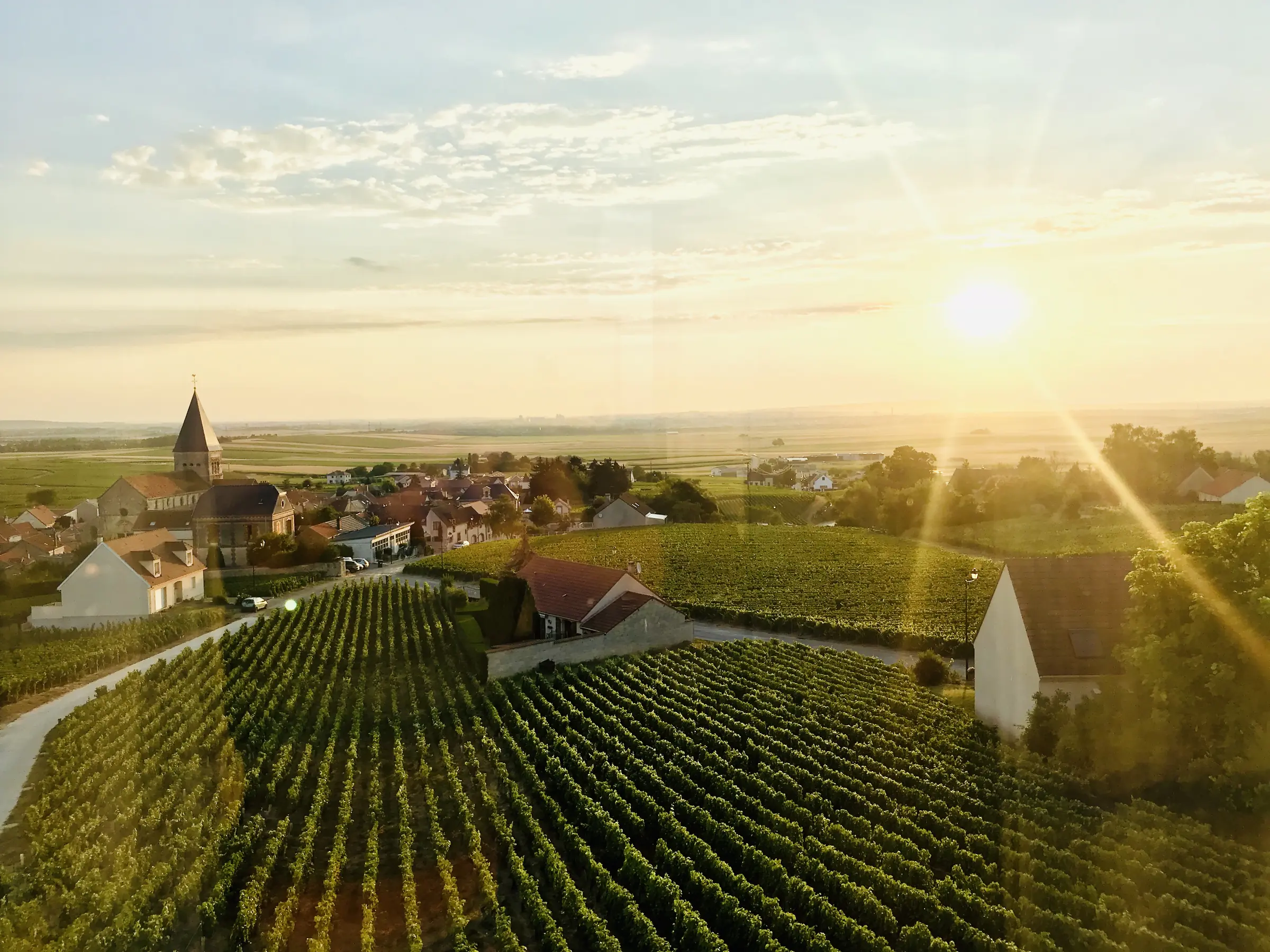
Champagne consumption is growing not only worldwide but in Hungary as well. Although we remain far from Belgium’s annual consumption of nine million bottles — with a population only slightly larger than ours — the marked rise in domestic consumption illustrates the global trend. Hungary currently consumes close to 120,000 bottles a year, an increase of around 66% from 72,000 bottles in 2016. Against this background, we examine the legal, economic and professional considerations behind the seemingly simple statement that all Champagne is sparkling wine, but not all sparkling wine is Champagne, and the regulation that makes this distinction legally enforceable.
The essence of legal protection can be summed up simply: Champagne can only come from Champagne.
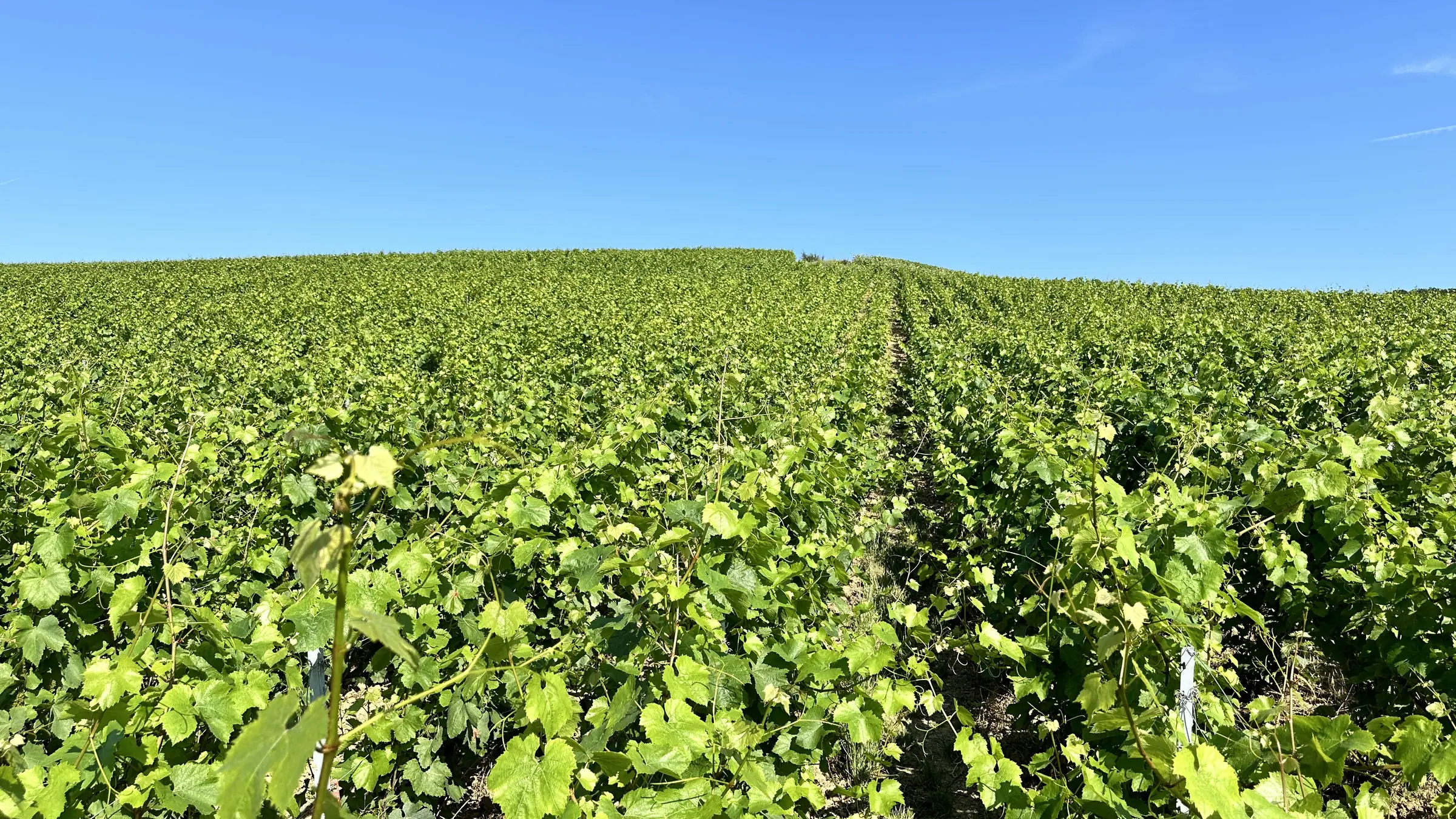
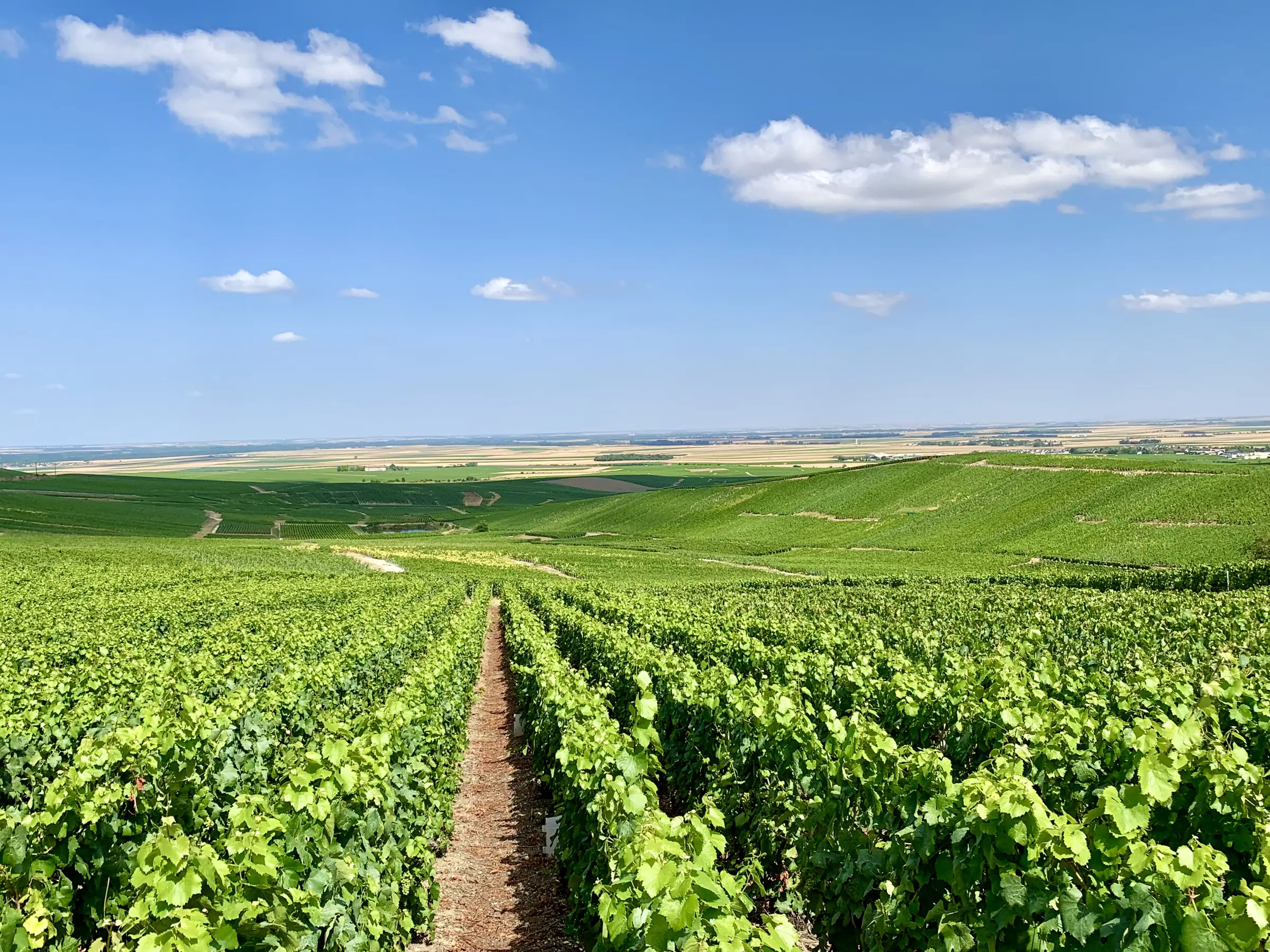
Here, capitalisation matters: champagne refers to the wine itself, while Champagne is the 34,300-hectare area in France, 150 kilometres east of Paris, where specified grape varieties — principally Chardonnay, Pinot Noir and Meunier — are grown, and where the base wine blended from them must be bottled for the second fermentation that creates the bubbles. Yet this is only the beginning. Champagne production, using the traditional method, is governed by strict technical requirements. Every bottle must legally spend at least fifteen months ageing in a cellar within the French Champagne region before it may bear the name Champagne.
Wine has played an important role in human culture and trade since antiquity. Although the history of sparkling wine dates only from the second half of the seventeenth century, the formation of bubbles — long regarded as a wine fault — has become a symbol of luxury, elevating Champagne production into one of the most complex and refined branches of winemaking. There are intriguing Hungarian connections too. In the early nineteenth century, the world’s first sparkling-wine factory outside France was established in Hungary. Another long-established Hungarian producer excavated limestone cellars, similar to the crayères of Reims, in which to mature and store its wines; the extracted limestone was used in the construction of the Hungarian Parliament.
The land of Champagne · personal archive
 01
01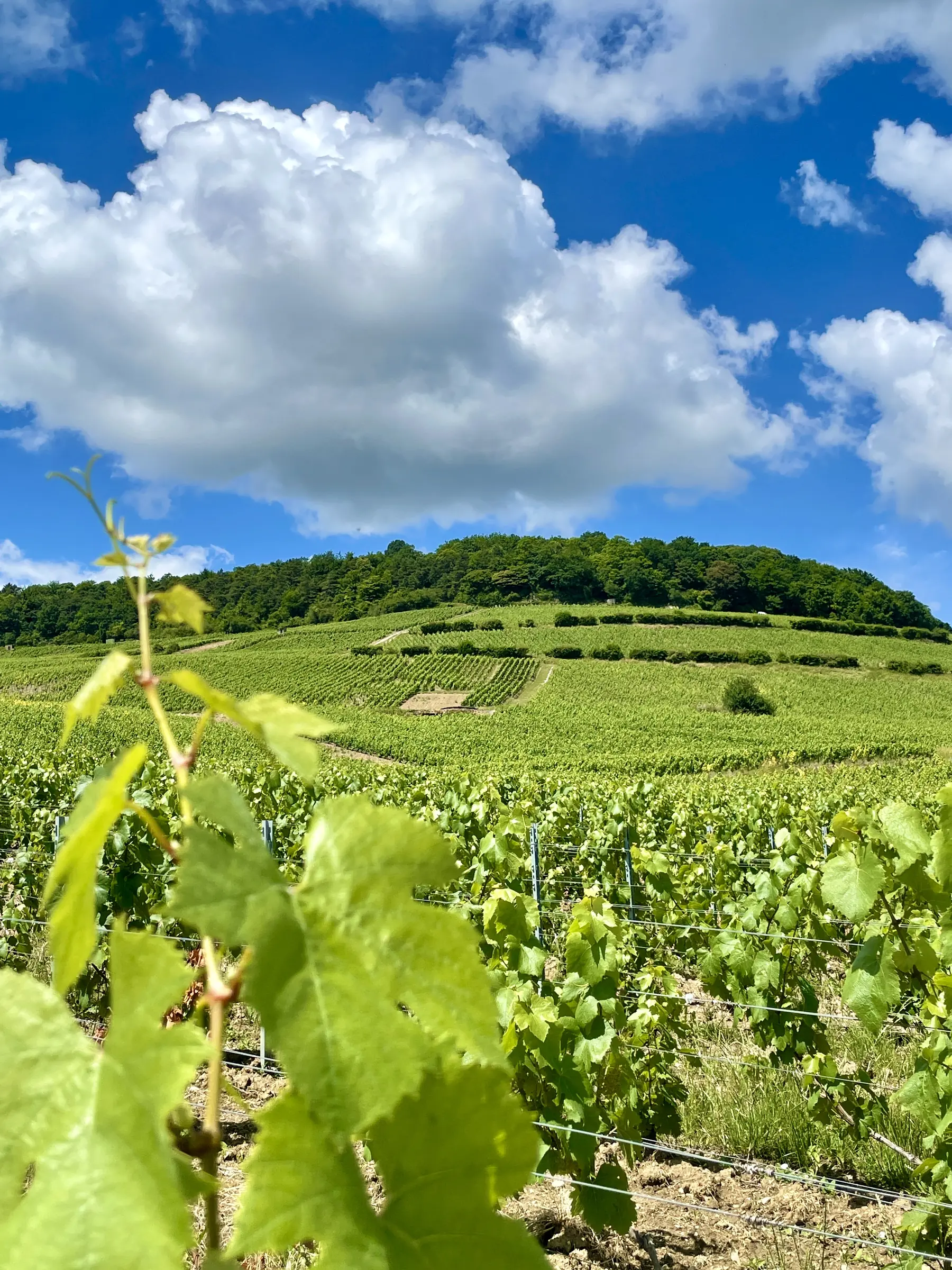 02
02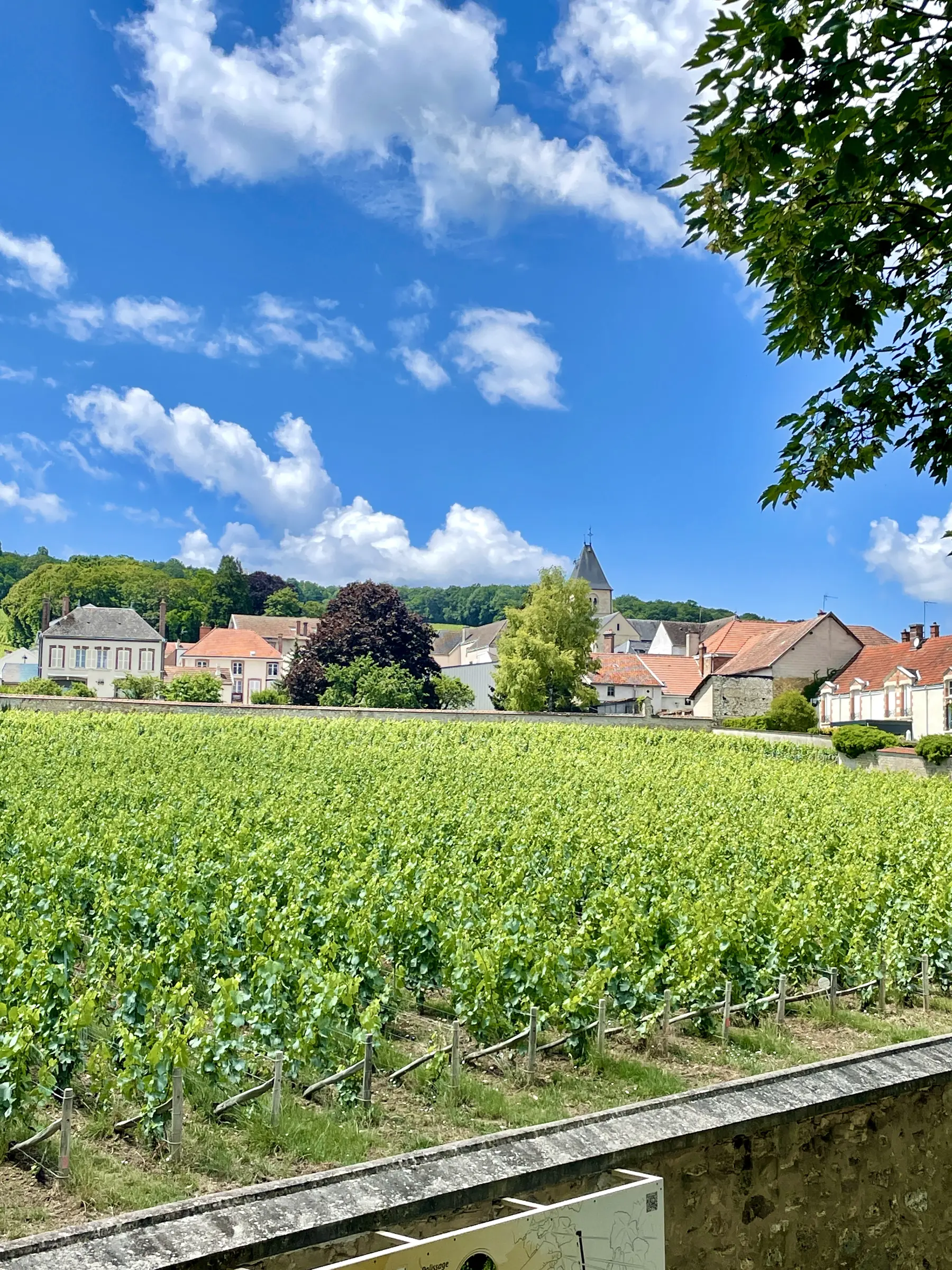 03
03From an economic perspective, Champagne quickly became one of agriculture’s highest-value-added products. Its prestige is illustrated by the average price per kilogram of Champagne grapes — around HUF 2,400 at the time of writing — compared with approximately HUF 90 for Hungarian wine grapes. Given its social popularity and the considerable difference between Champagne’s production and selling prices, it is unsurprising that the product is highly exposed to counterfeiting and misuse of its name.
Legal protection of geographical origin
The legally enforceable barrier against such misuse is provided by geographical indications, alongside trademarks and trade names within industrial property law. A protected designation of origin — the French equivalent is the appellation d’origine contrôlée, or AOC — becomes relevant where a clear link exists between a product’s exceptional quality, reputation or other characteristics and its place of origin. Natural factors such as topography, soil and microclimate — the terroir — are crucial, but human factors including cultivation methods, tradition, know-how and viticultural knowledge also play an indisputable role.
A characteristic distinction exists between geographical indications and designations of origin. In the former case, the protected product originates in a given geographical area, its reputation or characteristics are linked to that area, and at least one stage of production takes place there. For a designation of origin, every stage — growing, processing and production — must occur within the defined area. Although the protected Champagne name belongs to the broader family of product identifiers, alongside trademarks and trade names, it differs in one essential respect: it is a collective right without a time limit. Anyone within the protected geographical area may use it, provided they comply with the established rules.
Terroir · landscape · people
 01
01 02
02Collective value, international protection
Since its establishment in 1941, the Comité Champagne — referred to here by the abbreviation of its former name, CIVC — has represented the collective interests of Champagne houses and winegrowers. It has a broad mandate to supervise the region and protect the Champagne name itself. Hundreds of cases are pursued each year in defence of the designation of origin. Among the more unusual examples were Champagne cigarettes, a German mineral-water slogan proclaiming itself ‘the Champagne of mineral waters’, and the colour name of a popular smartphone, which changed from Champagne to gold. There have also been attempts to sell Champagne ice cream and, in France itself, a luxury perfume under the Champagne name. Even where litigation has been lengthy, the CIVC has repeatedly succeeded.
This is possible because national, European Union and international legal protections operate in parallel. From French AOC protection at national level to major bilateral and multilateral agreements such as the Madrid Agreement of 1891, the Lisbon Agreement of 1958 and the 1994 TRIPS Agreement, the Champagne designation now enjoys broad international protection in around 120 countries.
Among bilateral agreements, the 2006 accord between the European Union and the United States brought a notable development. The term ‘American Champagne’, already used by certain American producers more than 150 years ago — before protection of the Champagne name — may continue to appear on their sparkling wines. New products, however, may no longer enter the market under that designation.
Beyond the interdisciplinary nature of protection of origin, these cases illustrate the cult surrounding the Champagne designation. They show not only how classical legal protection safeguards economic value developed through centuries of production and historical tradition in a defined geographical area, but also how a cultural symbol continues to generate vibrant commercial, political and legal questions.
A recent example suggests that the fight to protect the Champagne name may sometimes fail. In July 2021, Russia adopted legislation allowing Russian sparkling wines to be called shampanskoye, while champagnes from historic French houses were required to carry the term ‘sparkling wine’ on their back labels. The extent to which economic interests may override protection of origin in Russia, a long-established Champagne importer, can perhaps only be judged realistically with the benefit of several years’ perspective.