The year is 1971. The world is watching the Apollo 14 Moon landing, Munich is preparing for the twentieth Summer Olympic Games, Queen is formed, and Hungary sees the birth of the band LGT. American tennis player Pete Sampras, singer Ricky Martin and Hungarian actress Lia Pokorny are all born that year. More than fifty years — half a century — is significant in any person’s life and in the history of the twentieth and twenty-first centuries. It brought enormous change in politics, economics, culture and science. Computers, the internet and mobile phones had yet to become integral parts of daily life; even Champagne houses still kept their records on paper.
An exceptional vintage
What made the vintage itself so special? Champagne entered 1971 with a harsh winter, followed by a cool, frosty spring. A summer of storms and hail unlike anything experienced since 1722 came next. As so often in Champagne, warm and dry September weather saved the situation. The harvest began on 18 September and yielded a limited crop, but the grapes were concentrated in both sugar and acidity — the foundations of an outstanding vintage.
Vintage champagnes are made exclusively from base wines of a single harvest year and are released after a minimum of three years’ ageing — typically five or six years for the major houses.
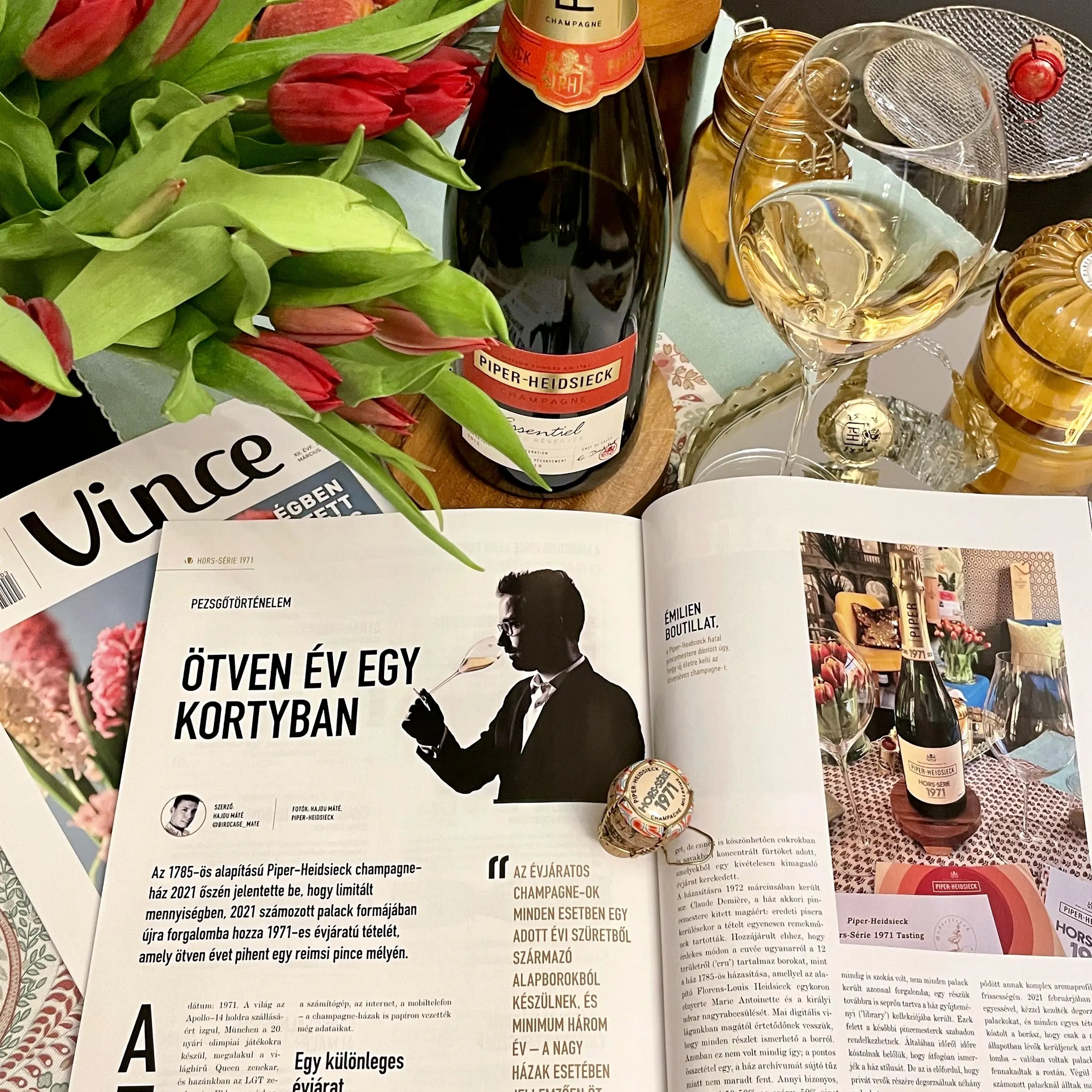
Blending took place in March 1972. Claude Demière, the house’s cellar master at the time, excelled himself: when first released, the wine was considered a masterpiece. Intriguingly, the cuvée contains wines from the same twelve villages, or crus, as the house’s 1785 blend, with which founder Florens-Louis Heidsieck once won the admiration of Marie Antoinette and the royal court. In today’s digital world, we take it for granted that every detail of a wine can be known. That was not always the case; the exact composition did not survive a fire in the house archives. What is known is a near-equal split: 50% Pinot Noir, the house’s principal variety, from villages including Grand Cru Verzy, and 50% Chardonnay from celebrated Côte des Blancs sites such as Avize. The blend was bottled in July 1972.
The Champagne first appeared in the early 1980s, after ten years on the lees, under the name Florens-Louis 1971. Yet, as has long been customary among Champagne houses, not every bottle was released immediately. Some remained on their lees and entered the house’s library collection, at the disposal of subsequent cellar masters. They may be tasted from time to time to deepen understanding of the house style, or a small number may be disgorged for private clients.
The story of a bottle · Budapest
 01
01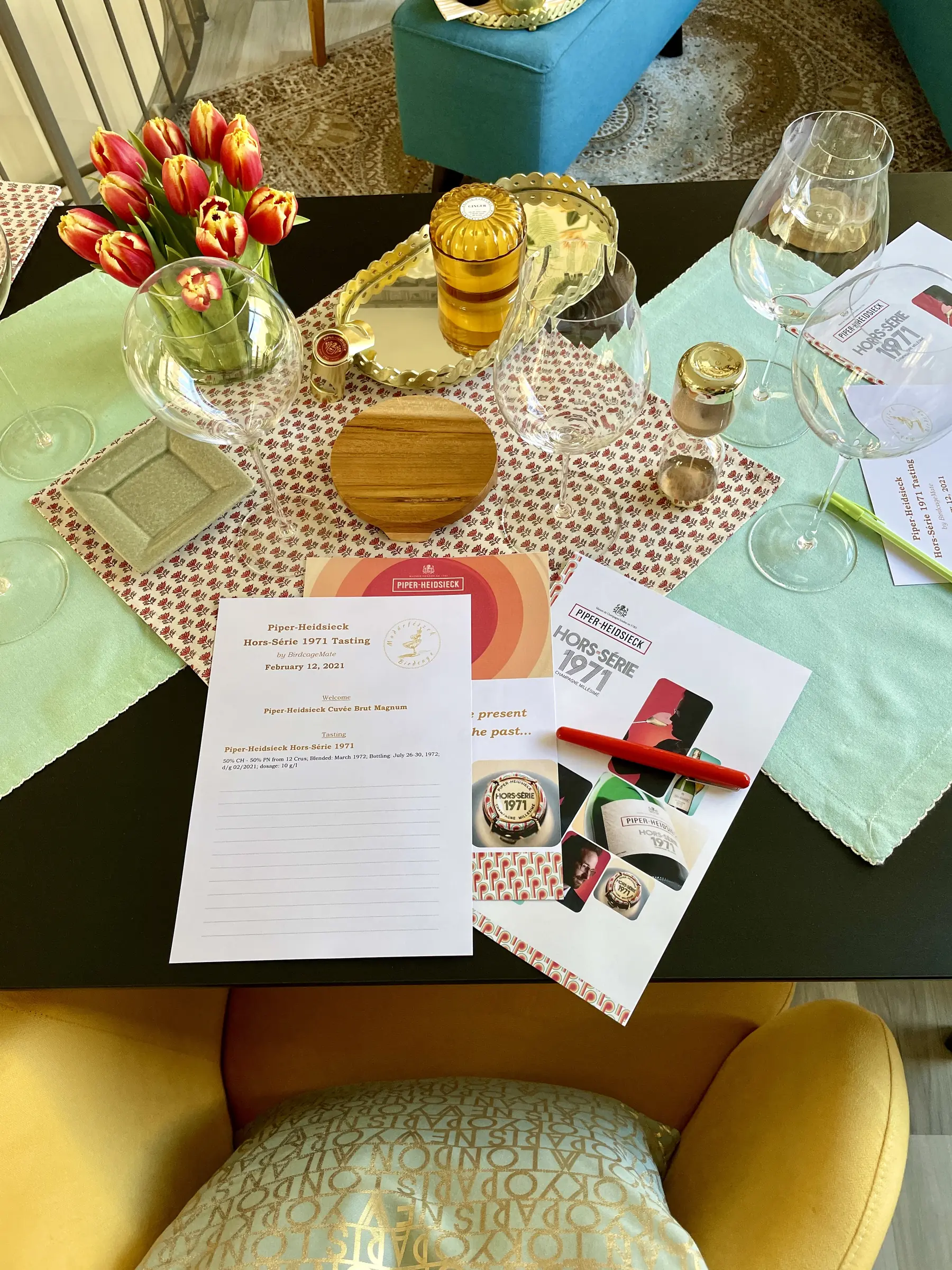 02
02Rebirth
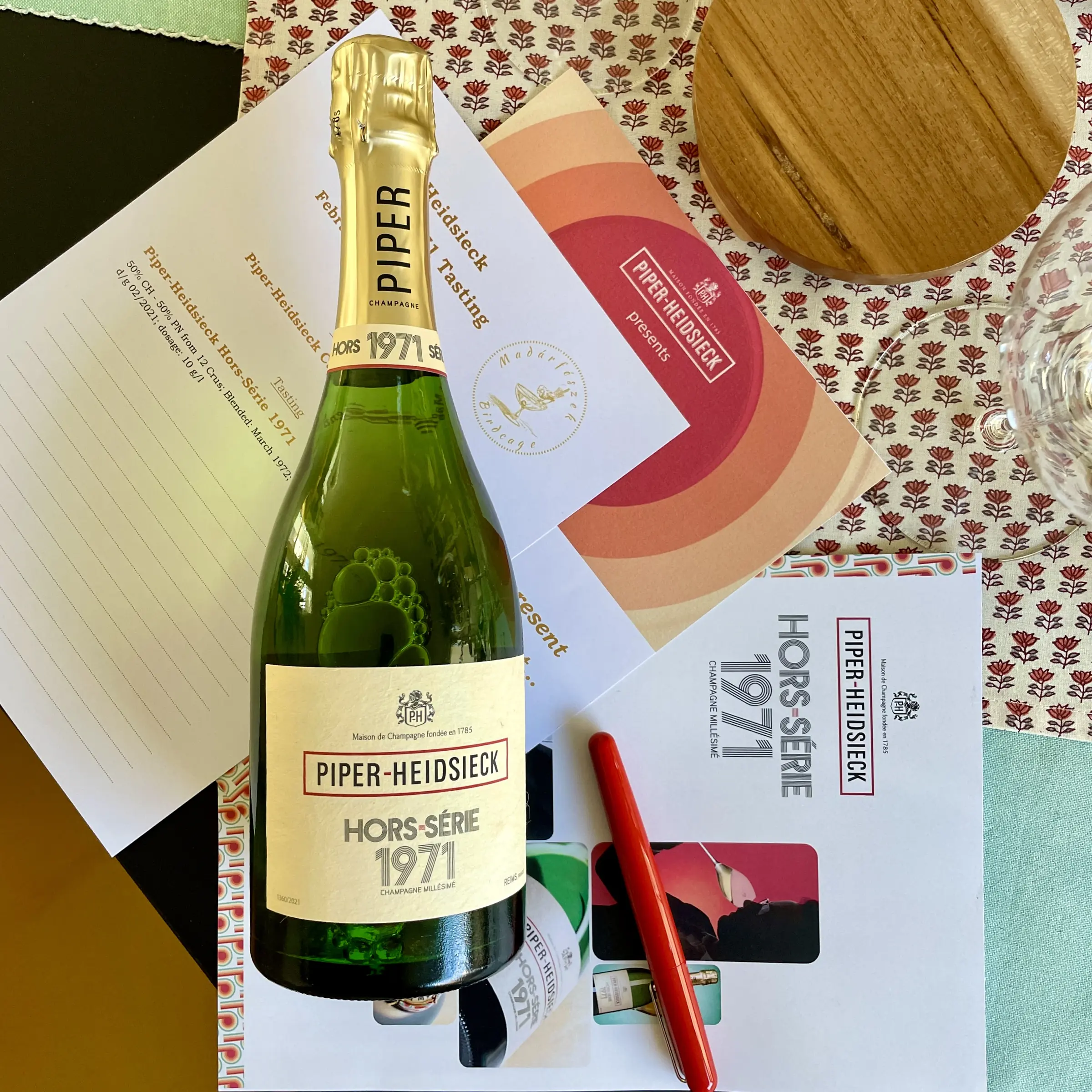
In this case, the house’s young cellar master — at thirty-five, among the youngest to hold such a role at a major Champagne house — Émilien Boutillat decided to bring the wine back to life. He tasted the vintage in 2020 and was struck by its complex aromatic profile and freshness. In February 2021, the bottles were disgorged individually by hand, and Boutillat tasted each one so that only bottles in sound condition would be released. Some did not pass the selection. The final number was 2,021 numbered bottles, each receiving a dosage liqueur made from a 2019 Chardonnay base wine, true to the Champagne-making practice of the 1970s and without malolactic fermentation. At 10 grams per litre, the dosage was slightly higher than contemporary trends, yet it gave this half-century-old wine a distinctive drive.
Although it comes from the same wine, Hors-Série 1971 has become an entirely different wine through forty-nine years on the lees and a recent disgorgement. — Émilien Boutillat
Hors-Série 1971 · fifty years in one sip
 01
01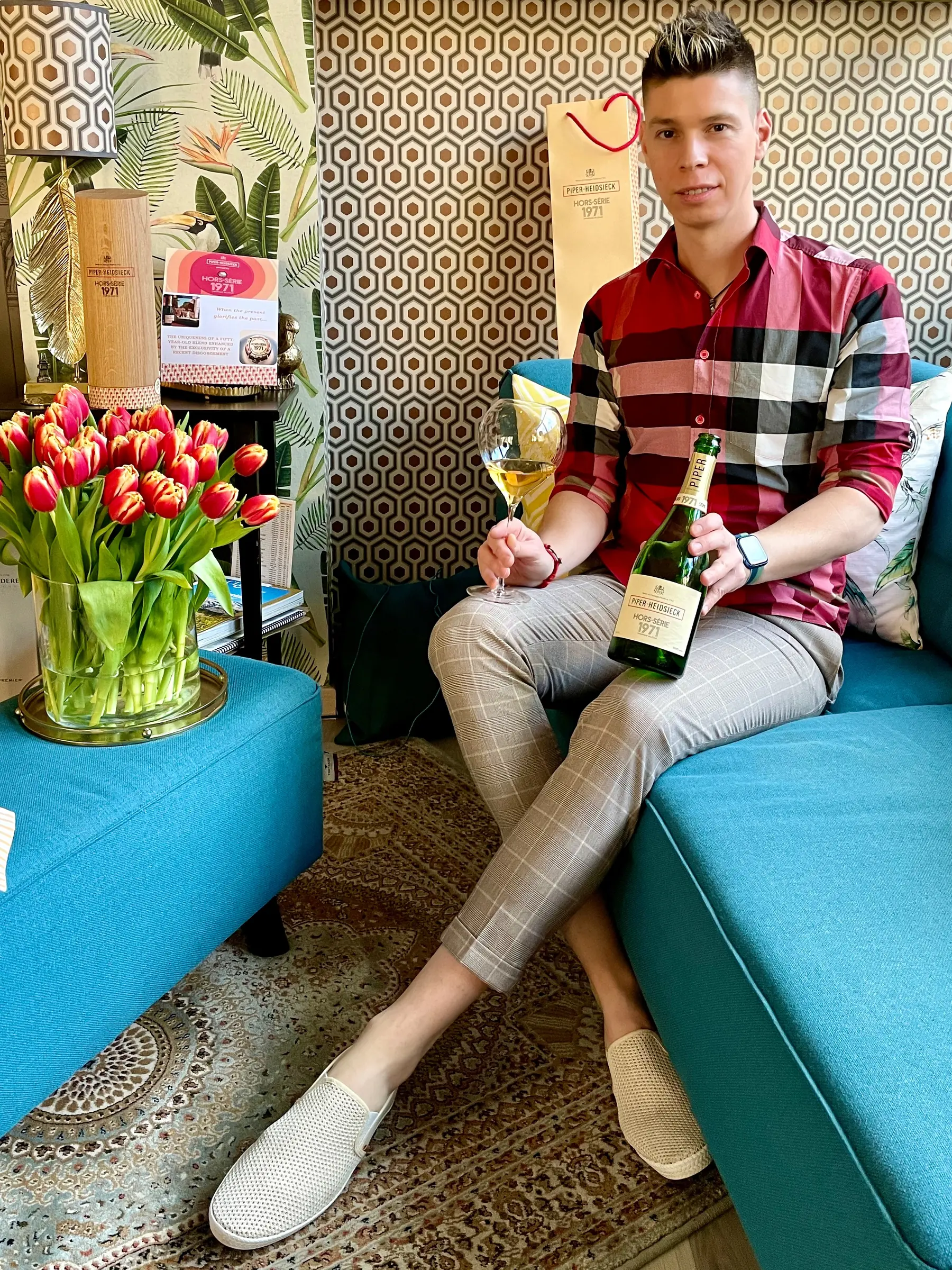 02
02A completely new Champagne had been born. A few bottles from the original disgorgements can still be found on the secondary market, but they are now more likely to be curiosities for collectors, having passed their peak. Their newly released counterparts remained protected on the lees in the house’s cellars throughout the intervening decades, shielded from the damaging effects of oxygen, and promise an entirely different experience.
What can a fifty-year-old Champagne reveal?
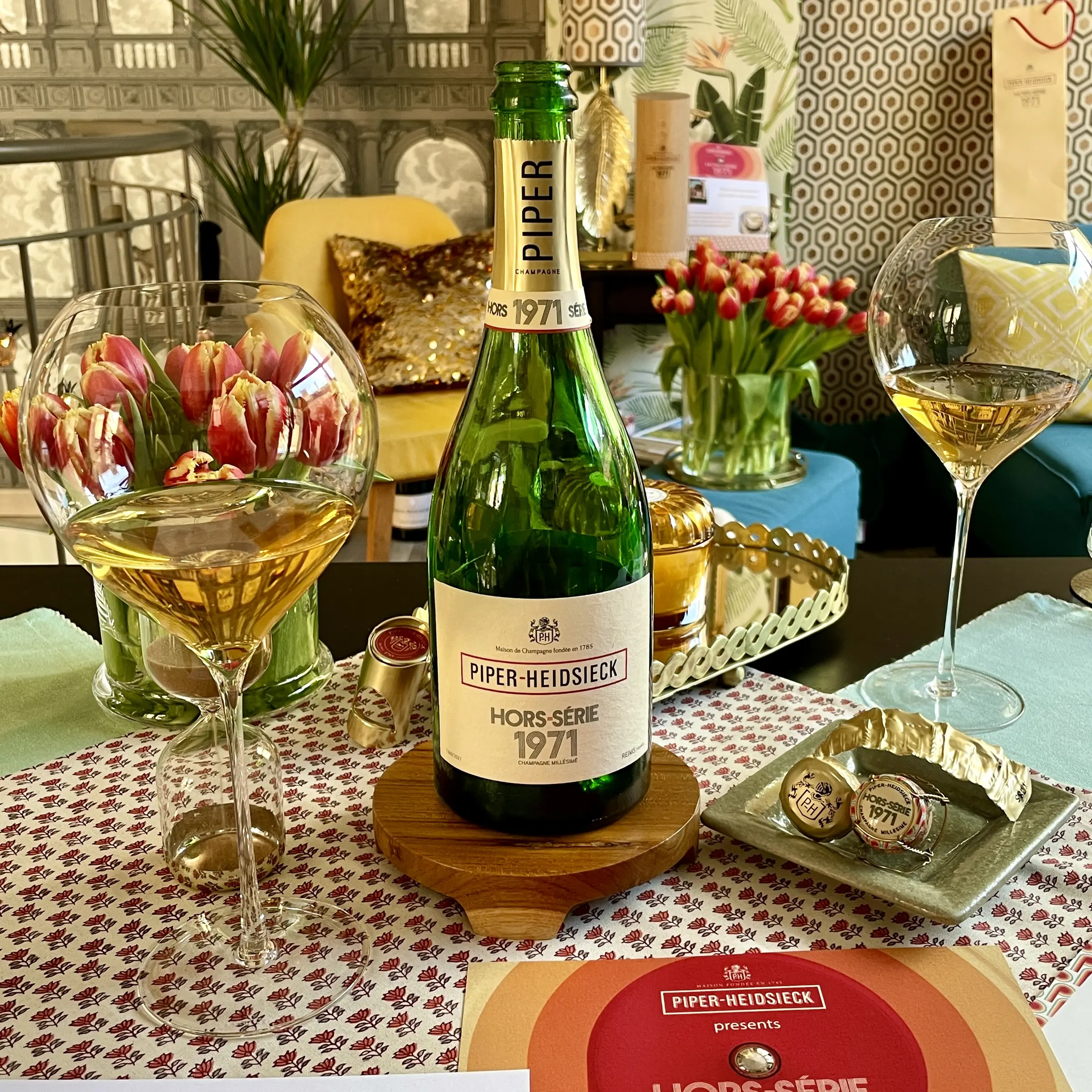
Only three bottles reached Hungary through official channels, and I was fortunate enough to taste one. More than fifty years after harvest, vinification, blending and bottling, bottle number 1,360 was poured into our glasses in Budapest in February 2022. The number matters because, even after careful pre-selection, bottle variation can occur in a wine of this age.
The bottle was in excellent condition. In the glass, a deep golden colour shimmered around tiny, graceful bubbles. The nose was extraordinary: a multitude of aromas required no searching and seemed almost to fill the room — spice, clove, coffee, dried fig and date. The palate fulfilled the promise of sight and scent. Its velvety texture filled the mouth, while raisin, walnut, toasted hazelnut and nougat joined the aromatic spectrum. There was freshness too, remarkable for a wine of this age, yet this was not a bottle to open for a casual Tuesday-evening conversation. With a little air and food, it revealed its true face, beauty, charm and elegance. Paired with bites of Comté and fresh ginger, entirely new dimensions opened.
Many treasures remain in the house cellars, waiting to be revived like their 1971 counterpart. The plan is for Hors-Série to gain another release almost every year — each one, in its own way, inviting Champagne lovers on another journey through time.