Hungarian sparkling-wine and Champagne drinkers often hold strong, even extreme views about the style they prefer: bone-dry only, or sweet only. But what do these descriptions actually mean in sparkling-wine production? Beyond individual taste and preference, what is worth understanding so that we do not deny ourselves the pleasure of truly special wines?
Immediately after disgorgement, the wine lost from the bottle is replaced. The topping-up liquid generally combines the same wine and/or reserve wines from earlier vintages with enough sugar to achieve the desired final level. This liqueur d’expédition represents only around one per cent of the bottle, yet it has a significant influence on the finished style.
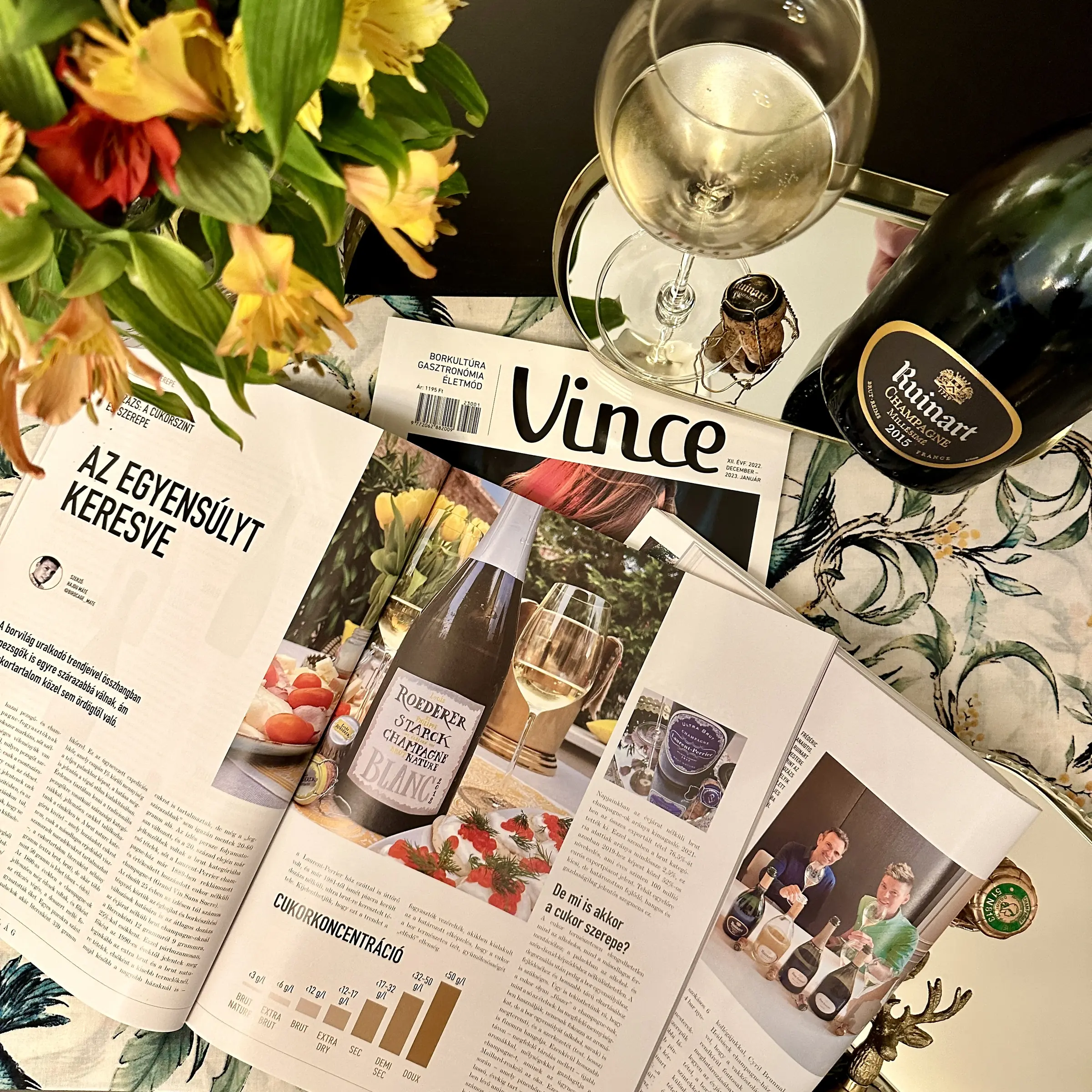
It is useful to know the sweetness categories applied to traditionally made sparkling wines, as these are the terms most commonly found on labels. Brut nature is the exception: it may contain no added sugar, only residual sugar left after secondary fermentation. The final sugar concentration may otherwise range from just a few grams per litre in extra brut and brut to more than 50 grams per litre in doux, or sweet, wines.
During the nineteenth century, Champagnes were generally sweet and were served chiefly at the end of a meal with dessert. Bottles intended for certain markets could contain as much as 330 grams of sugar per litre, while even the ‘driest’ rarely fell below 20–60 grams. Tastes continually evolved, of course, and by the early twentieth century brut styles had become more typical. Laurent-Perrier was already advertising and selling a Champagne with no added sugar — Grand Vin Sans Sucre — in 1889.
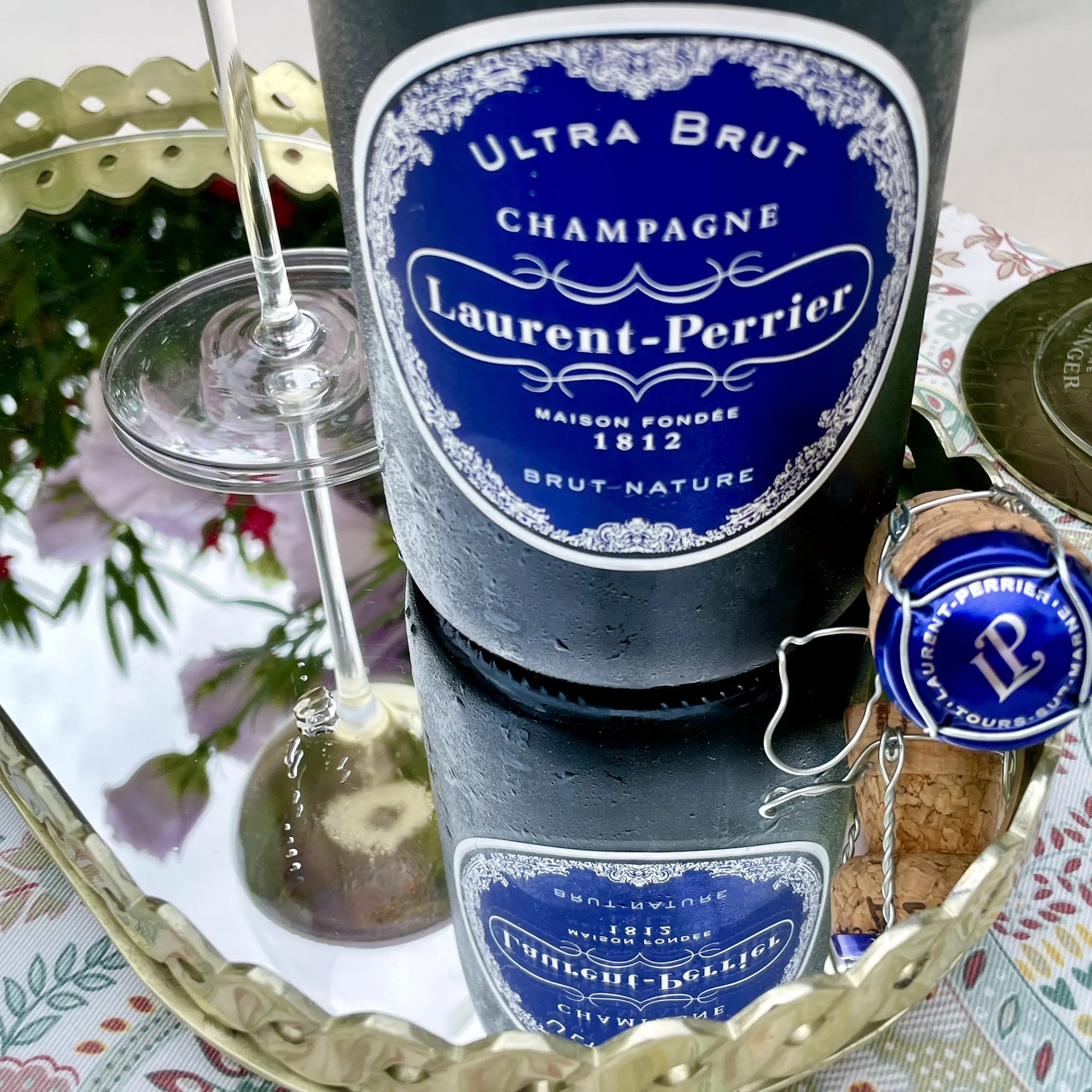
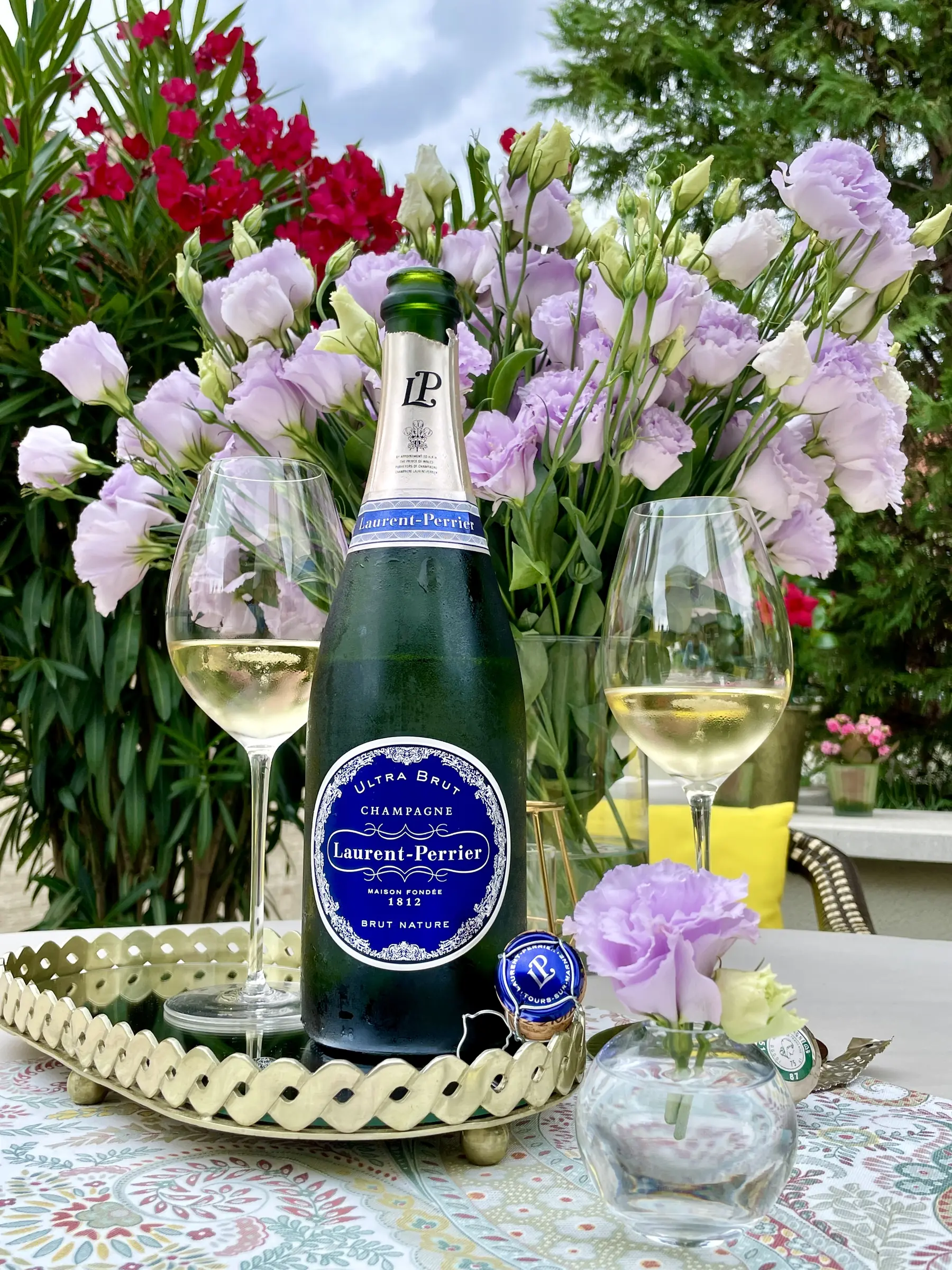
Over the past twenty-five years, changes in climate and winemaking, as well as taste, have reduced the average dosage of non-vintage brut Champagne by 25%, from 12 to 9 grams per litre. Extra brut and brut nature wines began to appear more widely from the 1990s onwards, first among smaller growers and later at the major houses. Laurent-Perrier was again a pioneer, returning a zero-dosage Champagne called Ultra Brut to the market in 1981. This trend was clearly driven by consumers, among whom a firm conviction had taken hold: that sugar was the enemy, masking wine’s natural flavour and fruit.
Today, non-vintage brut dominates Champagne: in 2021 it accounted for 76.5% of all exports. Wines drier than brut represented only 2.5%, yet that figure was almost 52% higher than in 2019 and amounted to an annual export market worth €100 million. It remains a small segment, but it is vocal, economically meaningful and unmistakably growing.
What, then, is the role of sugar?
Sugar is naturally essential to both alcoholic and secondary fermentation; it enables the formation of alcohol and carbon dioxide in the bottle. After disgorgement, it also contributes to the wine’s balance, development and long-term ageing. One might think of sugar as the seasoning of Champagne, much as salt is to food: used in the right amount, it not only heightens aromas but balances alcohol and acidity and fine-tunes body and length. With suitable storage, it can also bring additional aromas and depth over time through the Maillard reaction. During this process — extremely slow at cellar temperature and unfolding over years — sugar reacts with amino acids in the wine to create aromas such as toast and biscuit. Without sugar, this aromatic enrichment cannot take place in brut nature Champagne.
Brut nature · different faces of dryness
 01
01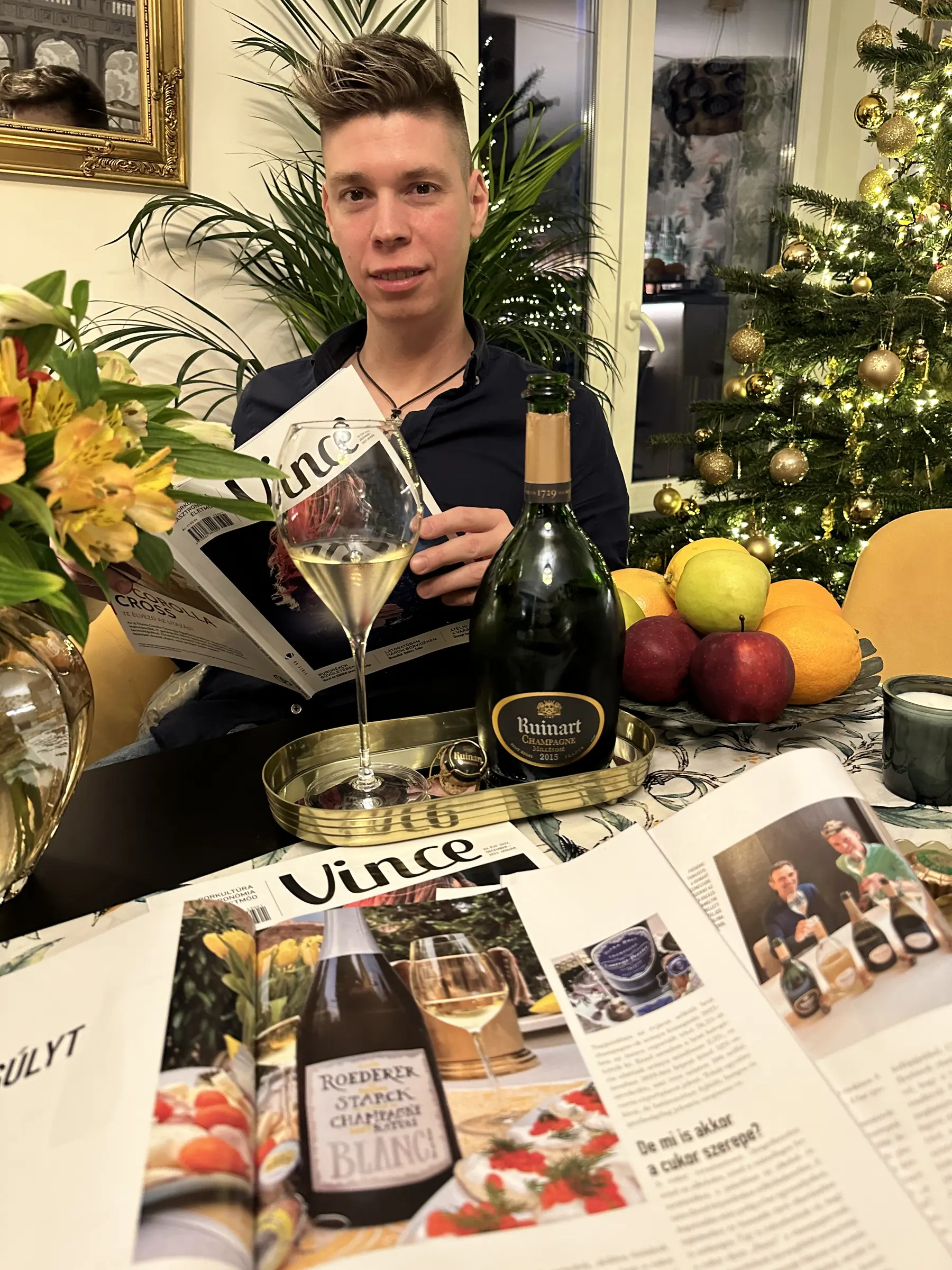 02
02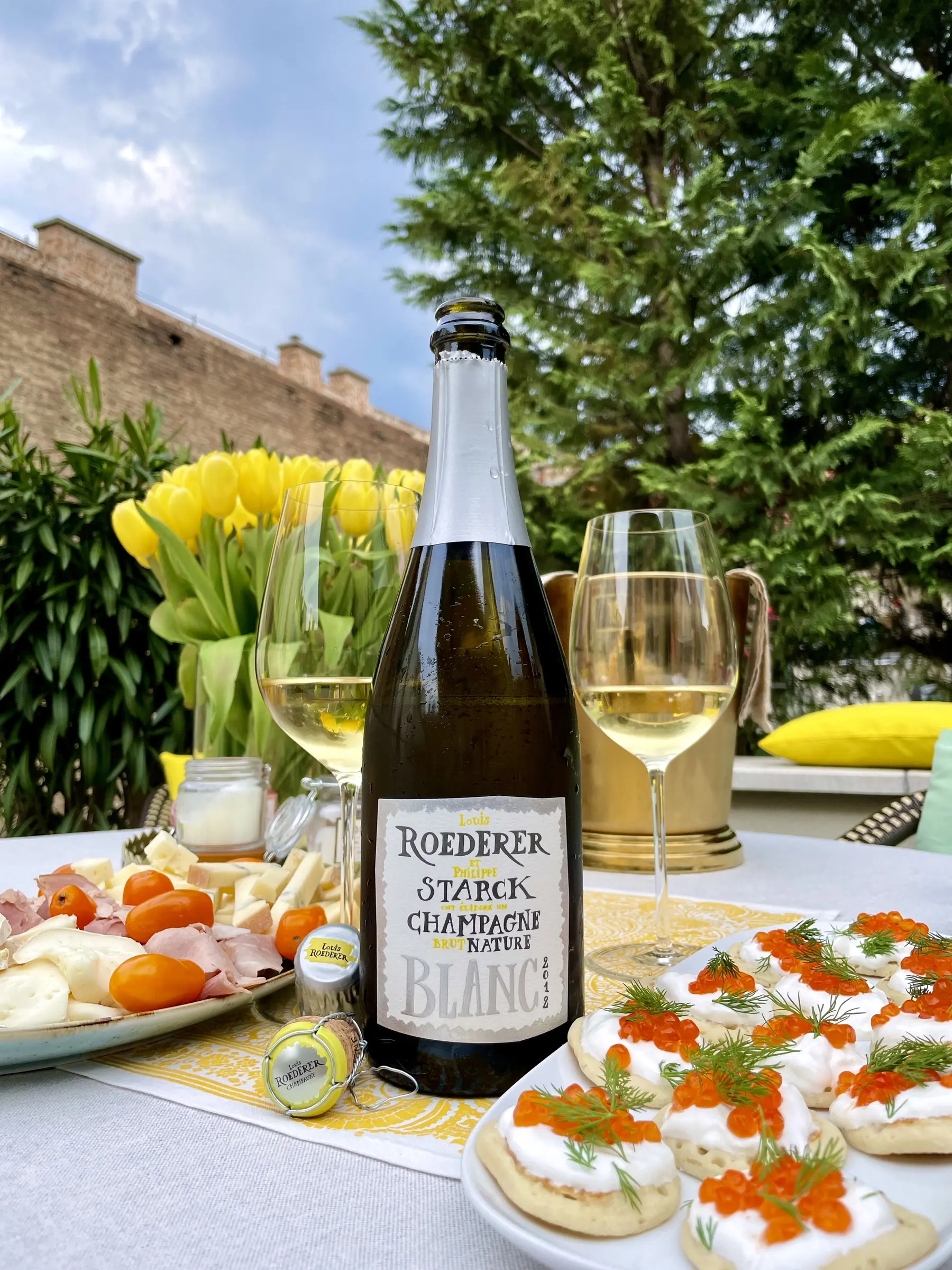 03
03In this light, the more pertinent question may be where balance lies. Many factors shape the answer: beyond taste, above all changes in climate and winemaking. As the climate warms, grapes in Champagne are generally harvested riper and at higher sugar levels, allowing the resulting wine to reach equilibrium with a lower dosage. The houses do not take this lightly, because if the trend continues, preserving freshness may become one of the future’s principal challenges: as sugar ripeness rises, acidity falls. Malolactic fermentation was once nearly universal, converting some or all of the base wine’s malic acid into softer, creamier lactic acid. Today, more and more houses block part or all of this process to retain freshness. These winemaking choices, too, can influence the ‘ideal’ level of sugar.
The cellar master’s decision
It is important to recognise that the finest brut nature Champagnes are never built on precisely the same base or blend as their brut counterparts: the elusive balance lies either here or there. Alongside the Laurent-Perrier Ultra Brut already mentioned, one of the best examples is Louis Roederer’s vintage Brut Nature. First released from the 2006 vintage, it followed three years of experimentation in 2003, 2004 and 2005 to identify base wines that could achieve balance without added sugar. The microclimate of the premier cru vineyards of Cumières, north of Épernay, supplied the aromatic intensity and ripeness the house sought in warm vintages. The base wine has come from this area ever since, and after 2006 Roederer Brut Nature was made only in three warm vintages: 2009, 2012 and 2015. Nor is this the only technique used to soften the perception of acidity, refine texture and create balance: these wines have a pressure of just 4 bar, rather than the 6 bar more usual in Champagne.
The best dosage is the one nobody talks about. — Frédéric Panaïotis
Cellar masters and winemakers therefore play an enormous role. During my most recent visit to Champagne, I had the opportunity to discuss dosage with several of them. Frédéric Panaïotis, then cellar master at Ruinart, put it succinctly: ‘The best dosage is the one nobody talks about.’ In other words, ideal dosage brings a wine into complete balance and is so fully integrated that whether we are tasting a Champagne with 2, 6 or even 9 grams of sugar is no longer the interesting question — the experience speaks for itself. Both he and Émilien Boutillat, cellar master at Piper-Heidsieck, referred to global warming. Greater general ripeness can mean that balance is achieved at a lower sugar level, while Boutillat stressed that the pursuit of balance must begin with the blending of the base wines themselves.
Both agreed with their colleague Cyril Brun, then cellar master at Charles Heidsieck, that blind dosage trials are crucial in deciding the final sugar level. For every new non-vintage or vintage wine, the winemaking team tastes samples blind at different sugar levels — often separated by only half a gram — and decides which dosage creates the finest balance. Brun added that the house continually experiments. Nothing can be ruled out for the future, but experience so far suggests that Charles Heidsieck’s distinctive style finds its fullest expression somewhere between 8 and 12 grams per litre; this is the range that truly suits its wines.
Balance is not a single number
 01
01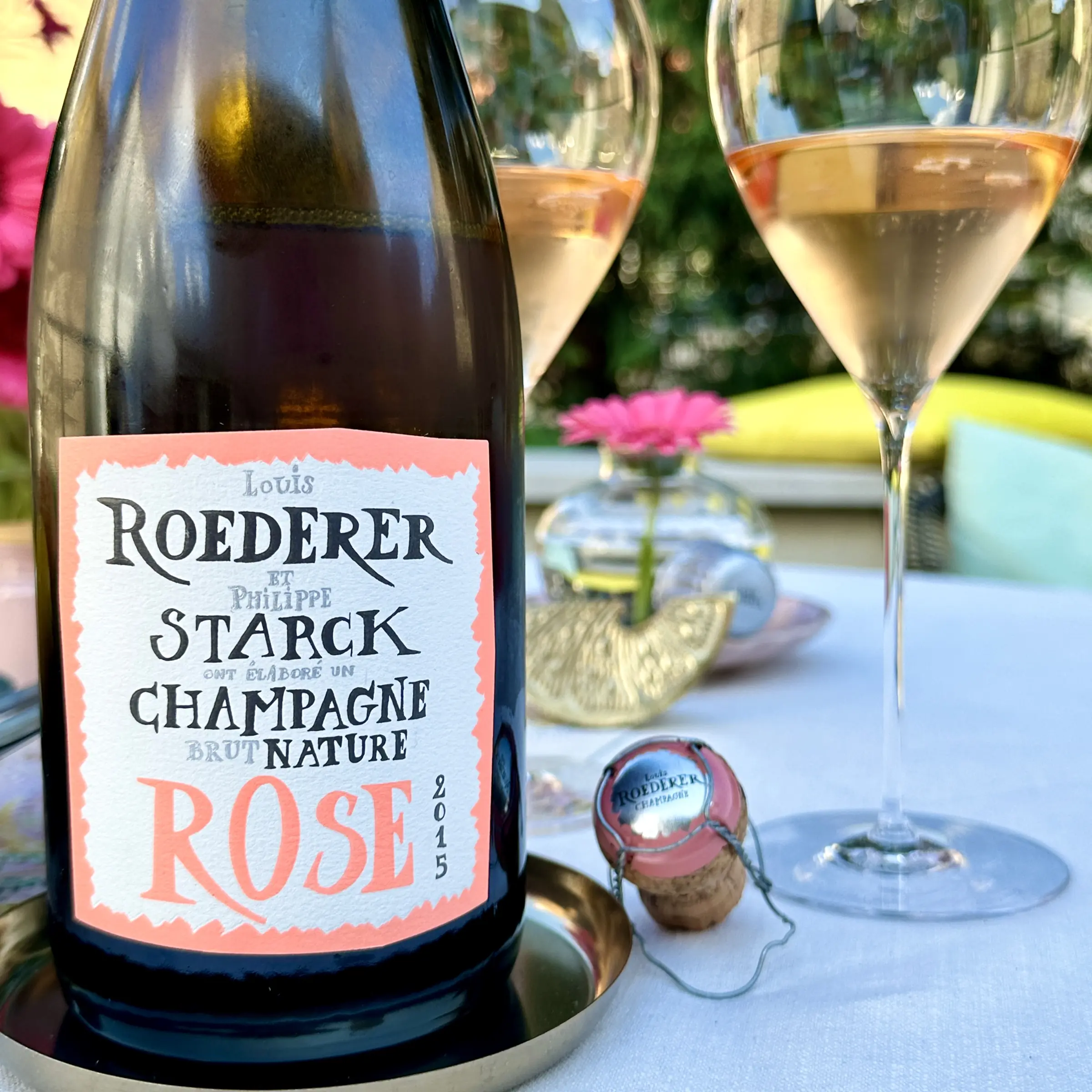 02
02By all means, then, choose a Champagne that suits your personal taste — but do not be afraid to explore different styles. It is also worth remembering that a wine with no added sugar may not keep or mature in quite the same way as a brut or extra brut. Such bottles are often better enjoyed in their youth than hidden away in the depths of the cellar.