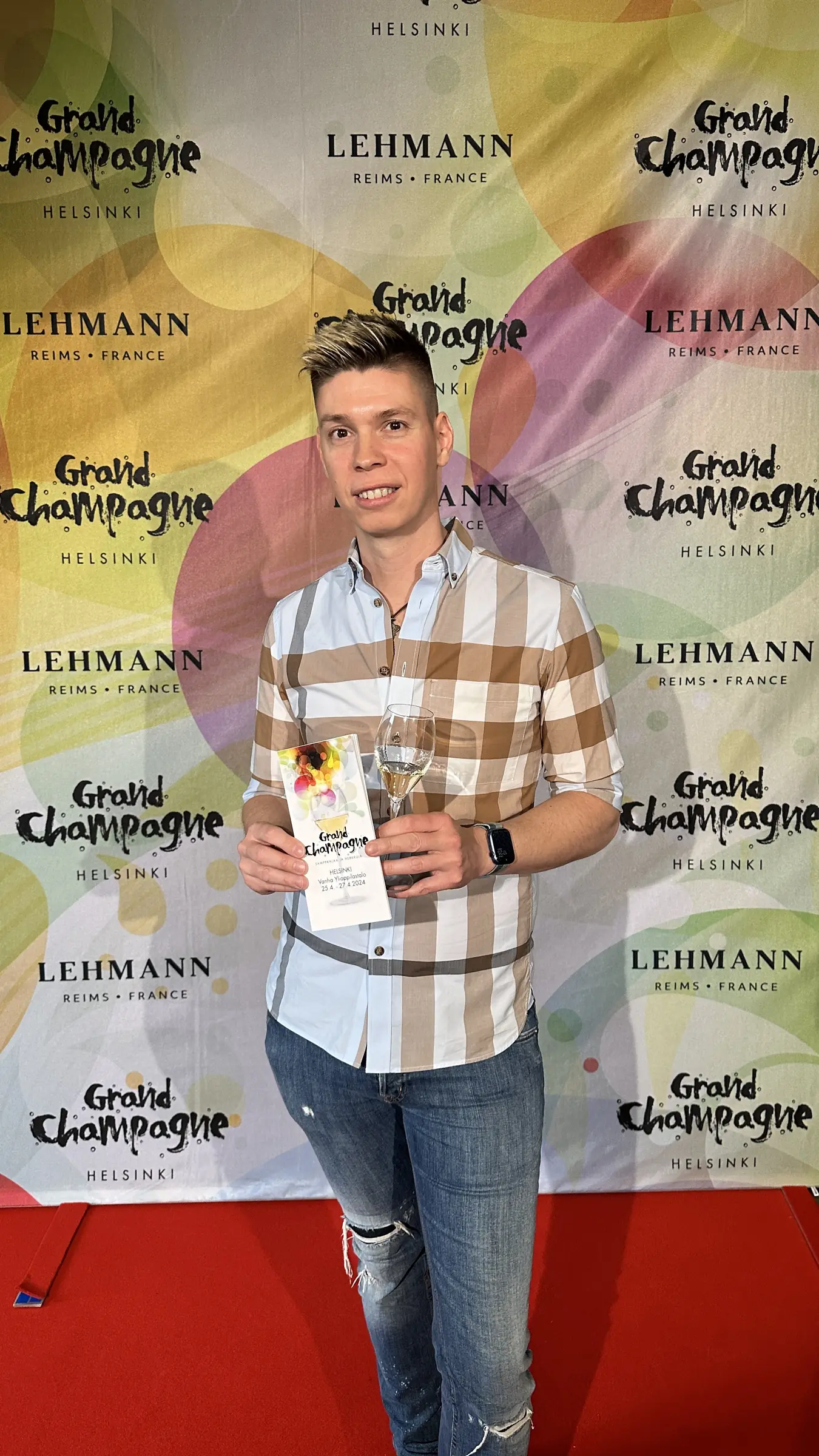
In the heart of Helsinki, surrounded by the historic charm of the Old Student House built in 1870, Grand Champagne Helsinki unfolds each year as a celebration of the art and culture of Champagne, drawing thousands to the Finnish capital. The three-day event is a story of passion and vision, brought to life in 2015 by two remarkable women: Taru From, a marketing professional and entrepreneur deeply devoted to sparkling wine, and Essi Avellan, Finland’s first Master of Wine and a permanent judge at the Champagne & Sparkling Wine World Championships. Together they created an event that now presents nearly 400 Champagnes from 76 respected houses while placing equal emphasis on education and personal connection within the Champagne community.
Curiously, the original inspiration — and the friendship between the two women — grew from their shared enthusiasm for the Grand Champagne glass designed by French sommelier Philippe Jamesse. The glasses still play an important role at the event: participants tasted some genuinely exceptional and rare Champagnes from them during this year’s 48 masterclasses. More on those shortly.
Taru From focuses on the human dimension, ensuring that every aspect of the event conveys warmth and hospitality. Her philosophy is to soften the marketing overtones and create a space where authentic Champagne culture can come to the fore through memorable personal encounters. Essi Avellan brings her extensive knowledge and international connections to the programme, making certain that it is as engaging as it is informative. Her role includes meticulously organising the masterclasses and ensuring that the diversity of Champagne is properly represented.
Abundance, punctuated by rarities
The selection truly is abundant. Finnish importers welcome visitors at 39 stands, presenting broad ranges from houses well known in Hungary — Veuve Clicquot, Ruinart, Taittinger and Pol Roger among them — alongside highly regarded producers less readily available there, such as Jacques Selosse and Ulysse Collin. From essential non-vintage cuvées through vintages to prestige cuvées, an extraordinary range is offered by the glass. The permanent selection is enlivened by the event’s ‘Rare & Fine’ concept: at scheduled times on all three days, special bottles are opened by the glass at different stands. In practice, something new happens at two to five locations every fifteen minutes, with rarities including Piper-Heidsieck Vintage 1996, Henriot Millésime 2000 Jeroboam, Louis Roederer Vintage Late Release 1999 Magnum and Palmer Collection Vintage 1996 Jeroboam. These moments are wonderful opportunities to discover not only the wines but also fellow Champagne lovers — often distinguished specialists and writers visiting from around the world.
Grand Champagne Helsinki · encounters and rarities
 01
01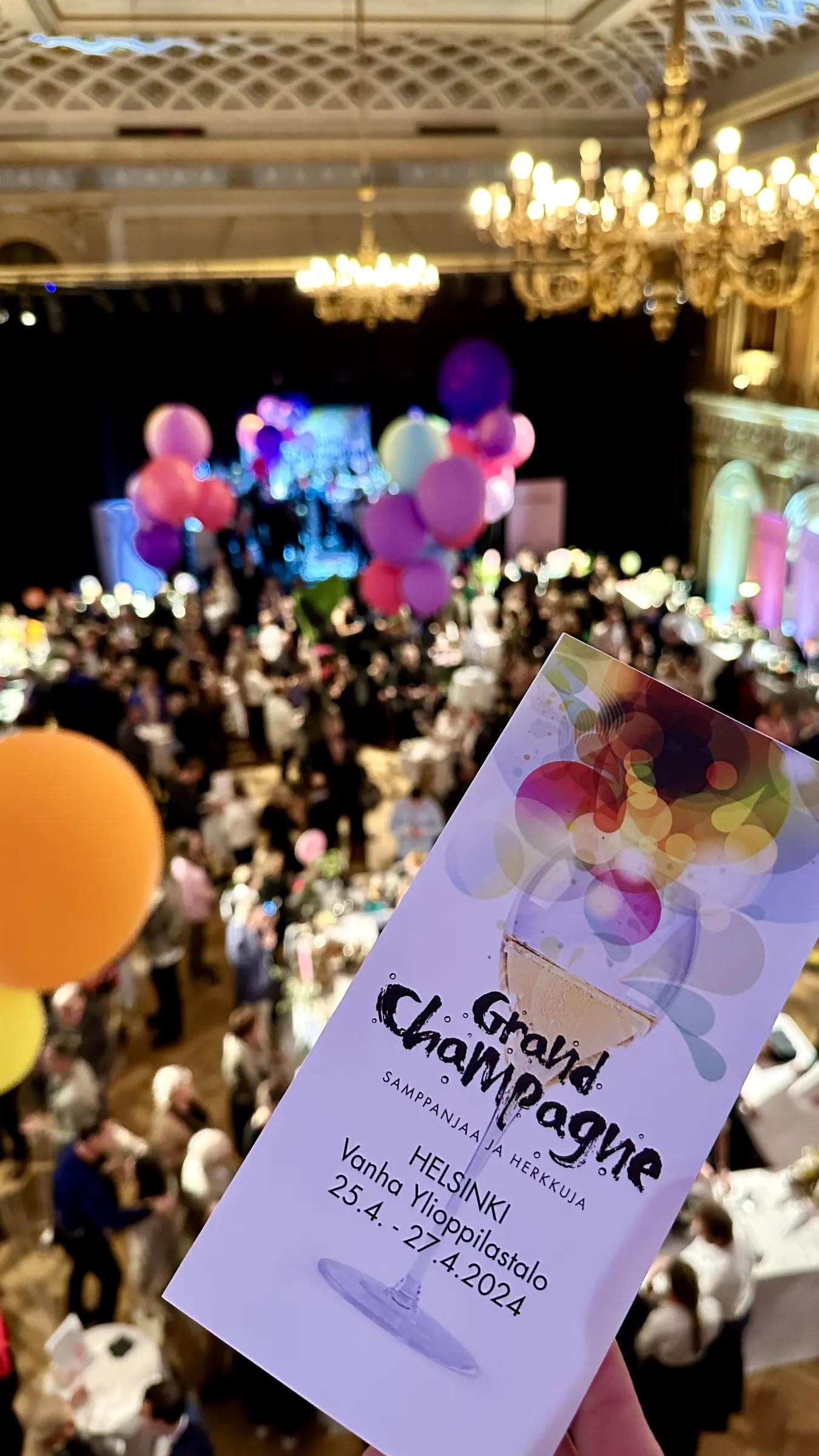 02
02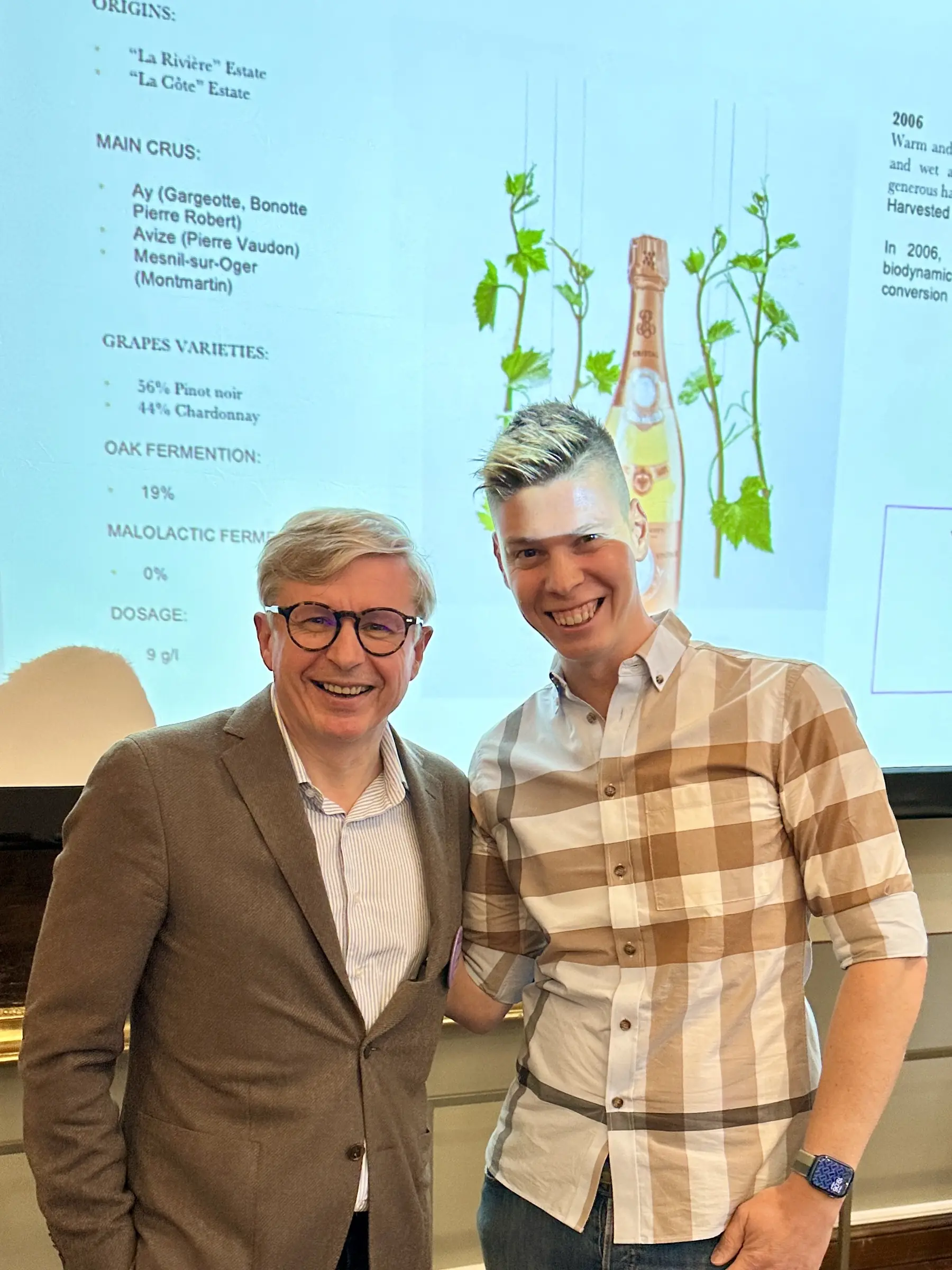 03
03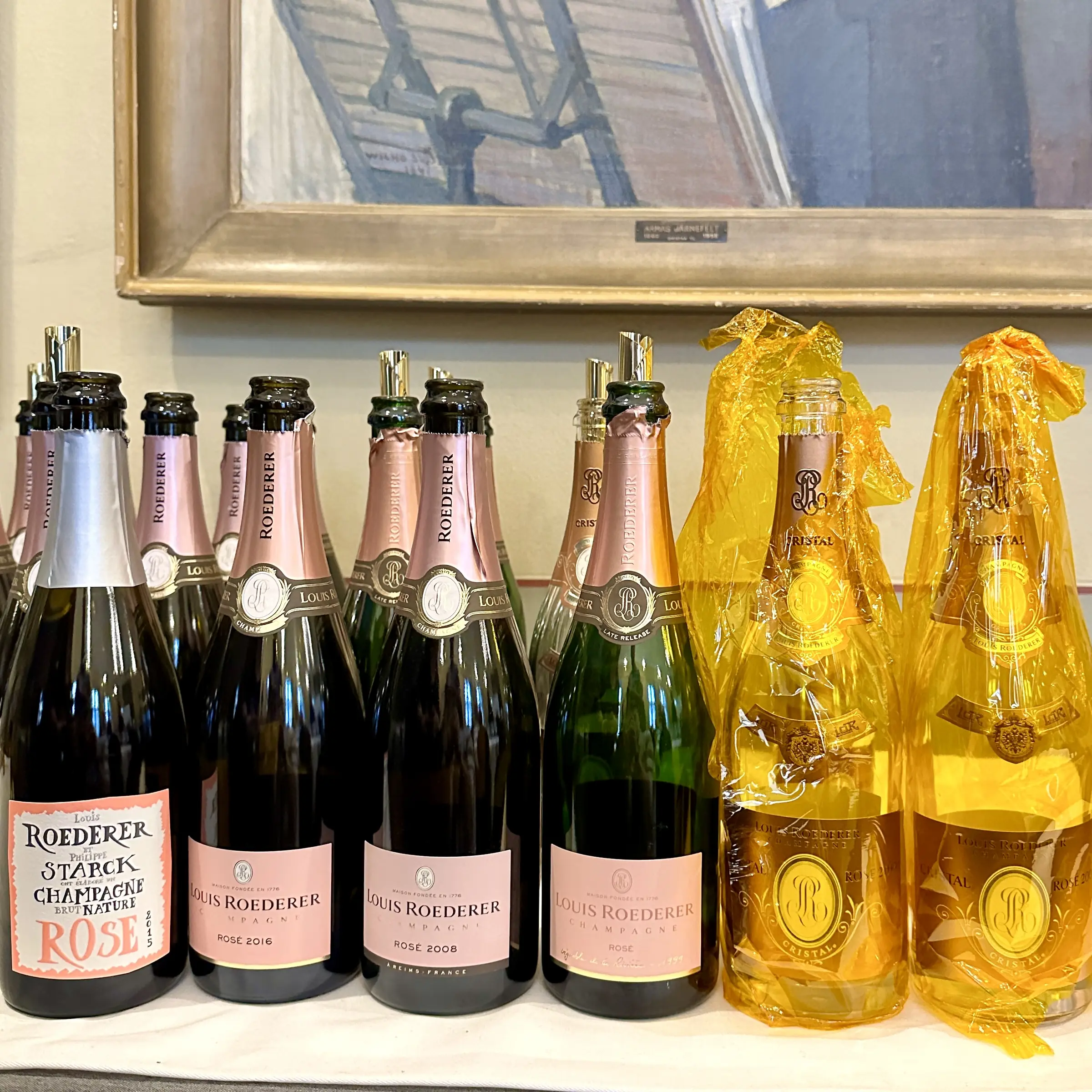 04
04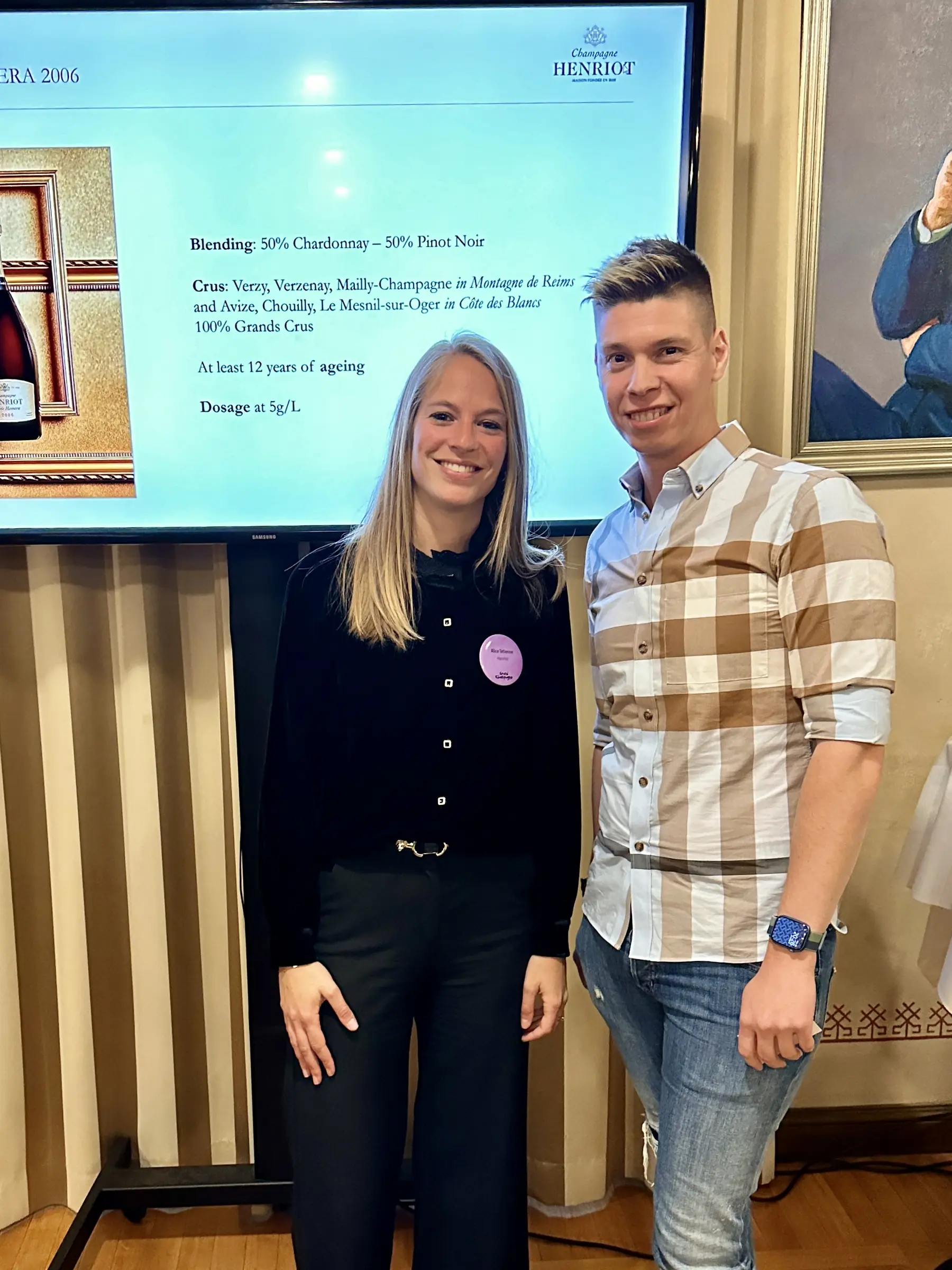 05
05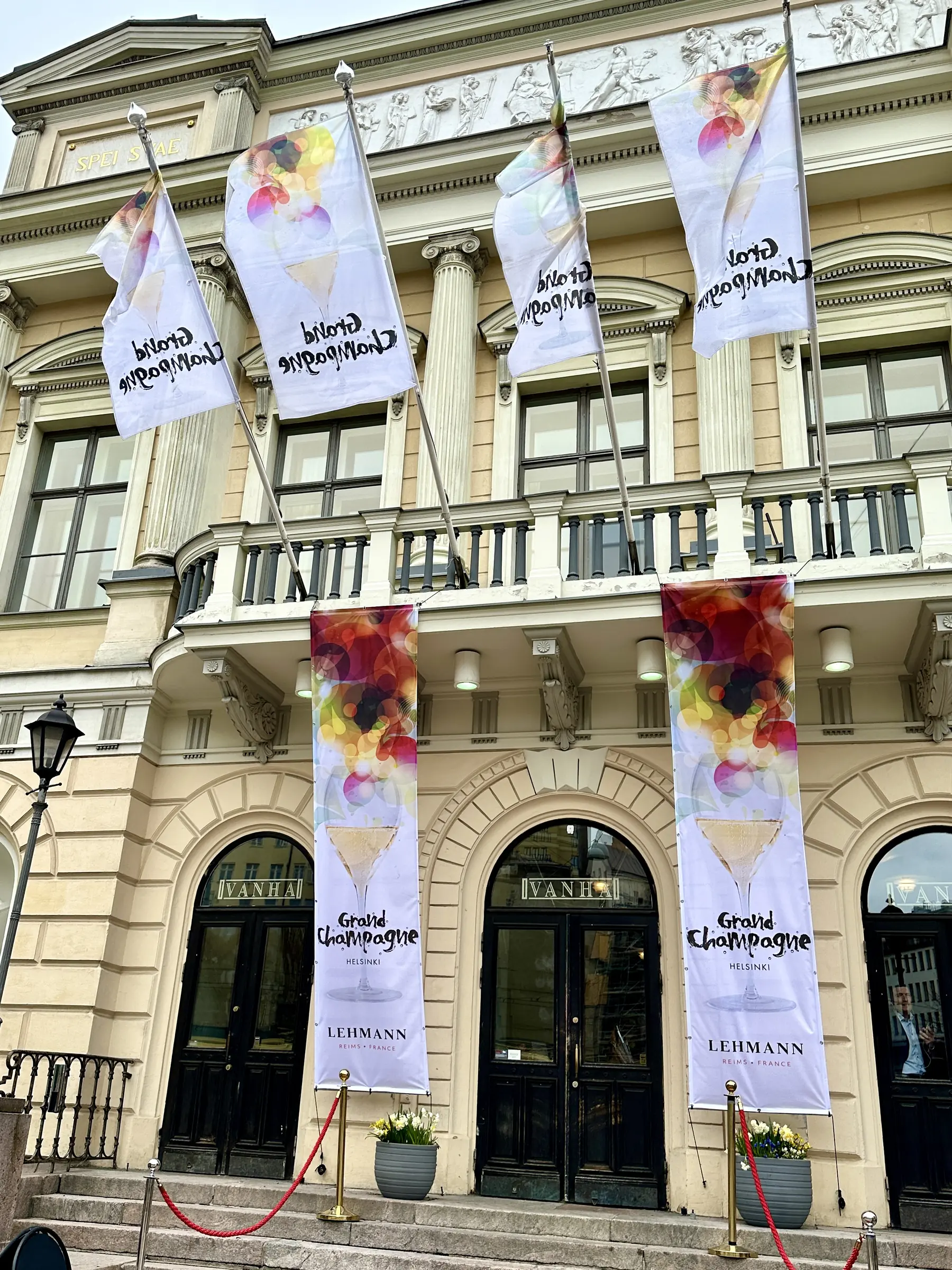 06
06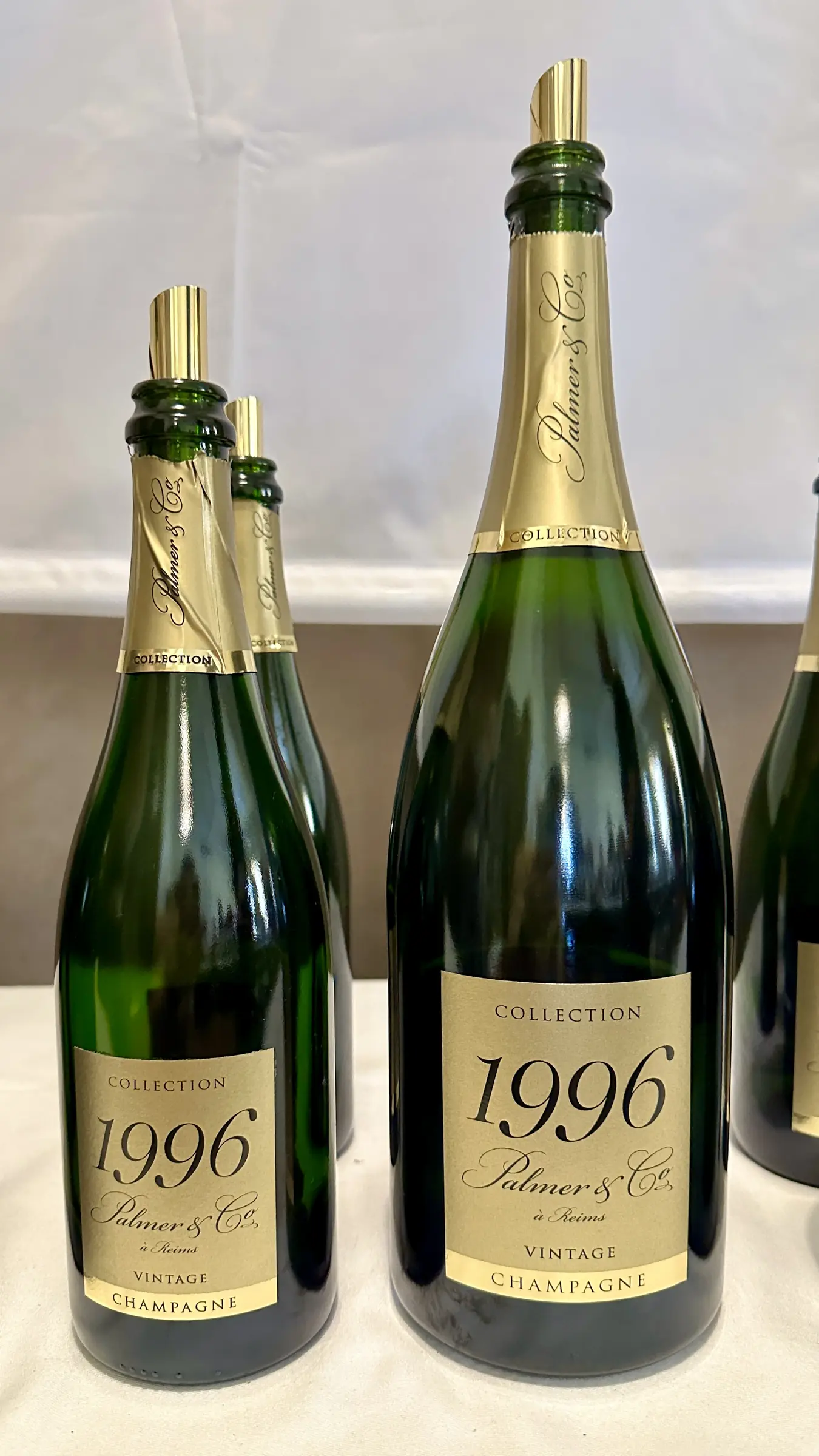 07
07 08
08There is always more to learn
Those wanting still more can book one — or several — of the 48 masterclasses. Their appeal lies not only in the exceptional tasting line-ups, but also in their distinguished presenters: celebrated cellar masters, winemakers, presidents and sales directors from Champagne houses. They offer insight into production, the character of special cuvées and their historical context, deepening the experience still further. The line-ups are designed to give everyone, from novice to expert, a rich opportunity to learn and reflect the founders’ profound commitment to education.
The tasting line-ups are designed to offer a rich learning experience to everyone, from novice to expert.
Over the three days I attended seven masterclasses myself, and I can honestly say that each was excellent and distinctive. A few deserve special mention. On the opening day, Jean-Baptiste Lécaillon, Louis Roederer’s renowned cellar master and executive vice-president, presented the house’s rosé Champagnes to mark fifty years since the first Cristal Rosé vintage, 1974. Cellar master since 1999, Lécaillon has overseen Roederer’s move to organic farming and significant advances in sustainable viticulture. The house’s rosés combine elegance with phenolic ripeness. We tasted six, from the 2015 Brut Nature through the 2016 and 2008 vintages to the 1999 Late Release, which was disgorged in 2005 but rested in the house cellars until 2023. Two Cristal Rosé vintages followed, 2014 and 2006: complex, layered and powerful yet airy wines that express the character of Aÿ’s grand cru vineyards and finish with a fine saline, chalky note.
Equally compelling was a masterclass across the full Henriot range led by Alice Tétienne, the house’s dynamic and passionate cellar master. Tétienne took up the role in April 2020 and is also responsible for viticulture across Henriot’s own holdings, which span 29 crus. Henriot’s deeply reductive world is always enchanting: from the non-vintage Brut Souverain, first created in 1808, and the non-vintage Blanc de Blancs to the vintage Champagne blended from six specific sites, represented here by the current 2014. Then came special wines such as L’Inattendue — ‘the unexpected’ — a 2016 Blanc de Blancs, and the prestige cuvée Hemera in both 2013 and 2006.
Three days · seven masterclasses · countless stories
 01
01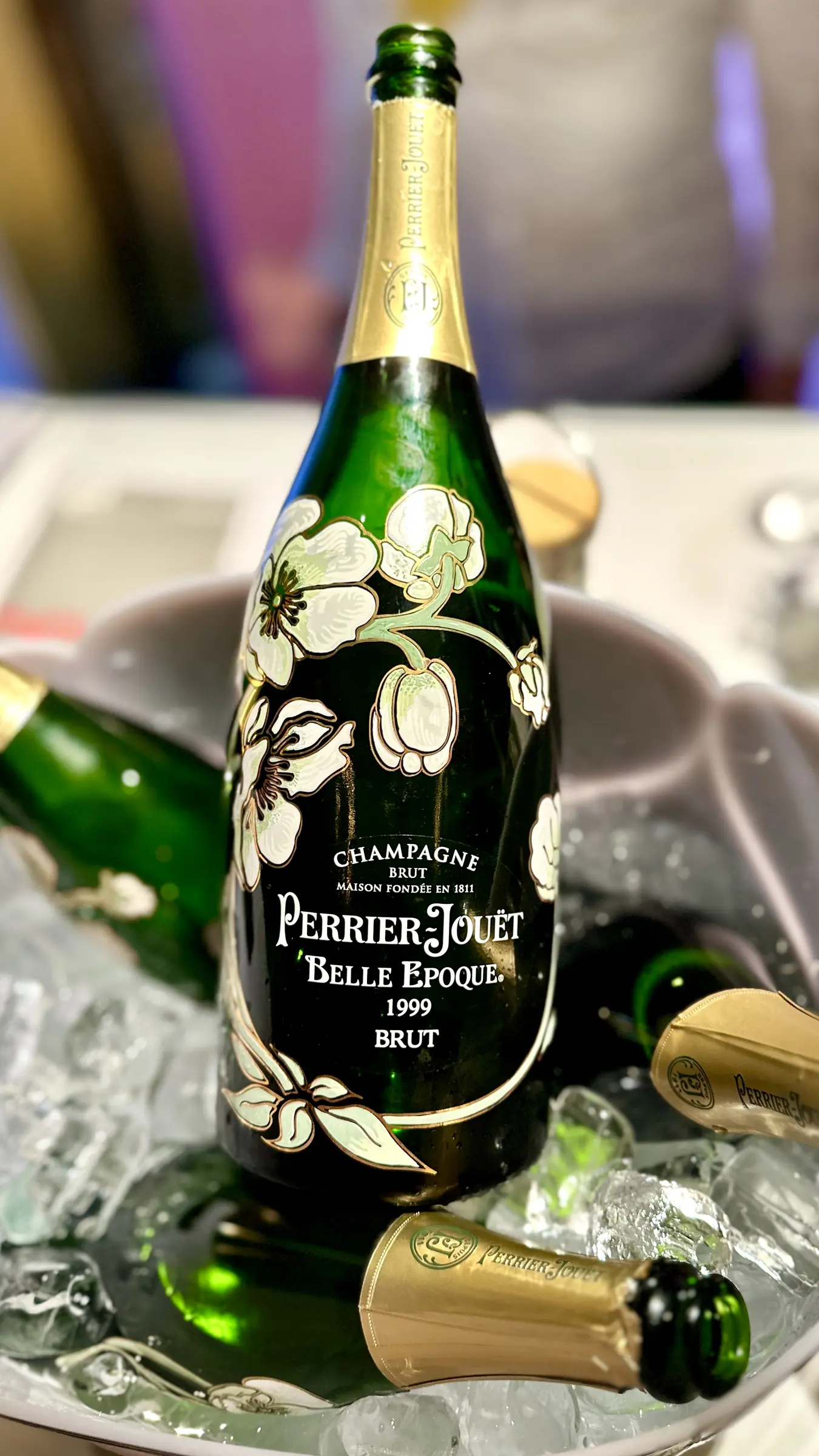 02
02 03
03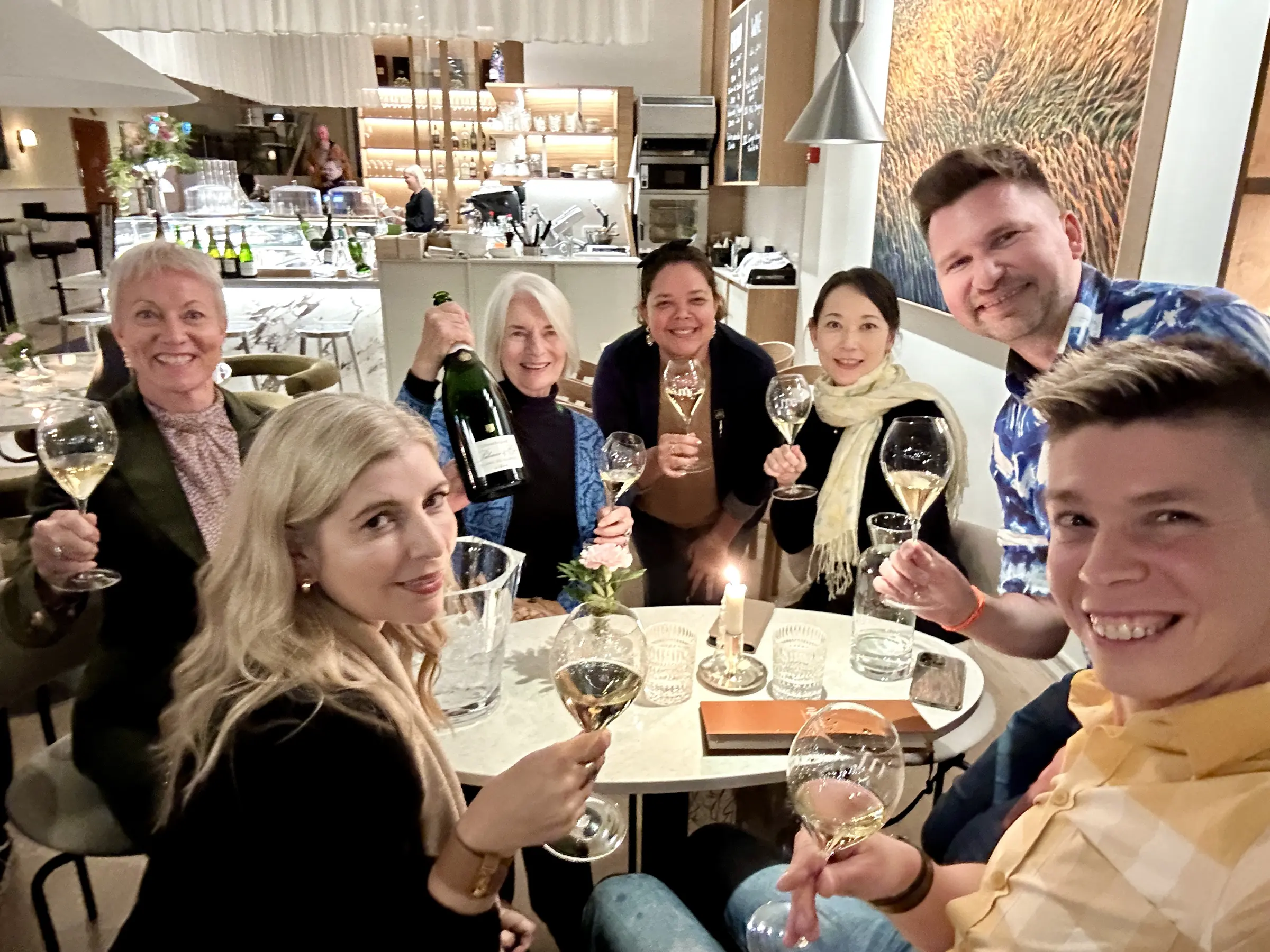 04
04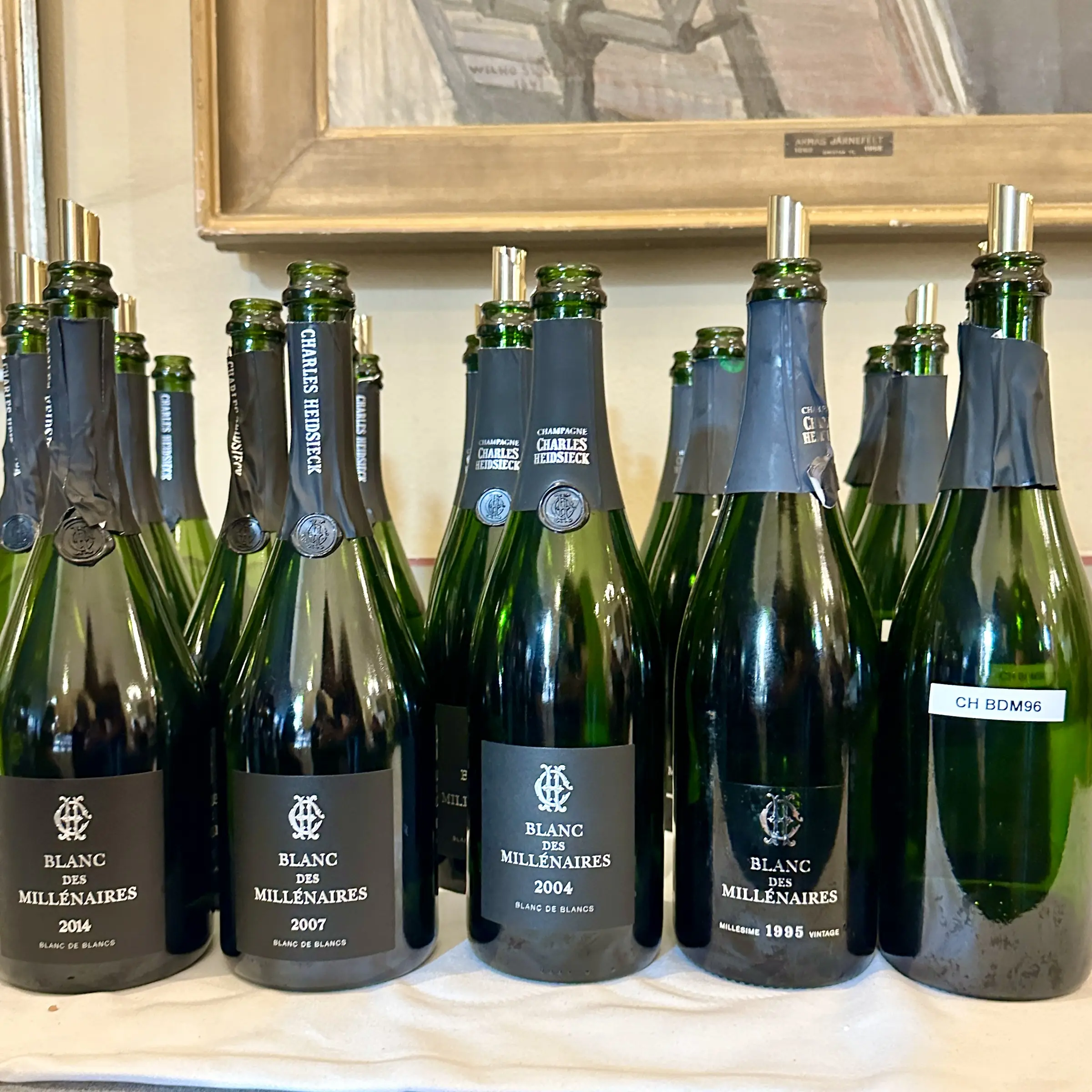 05
05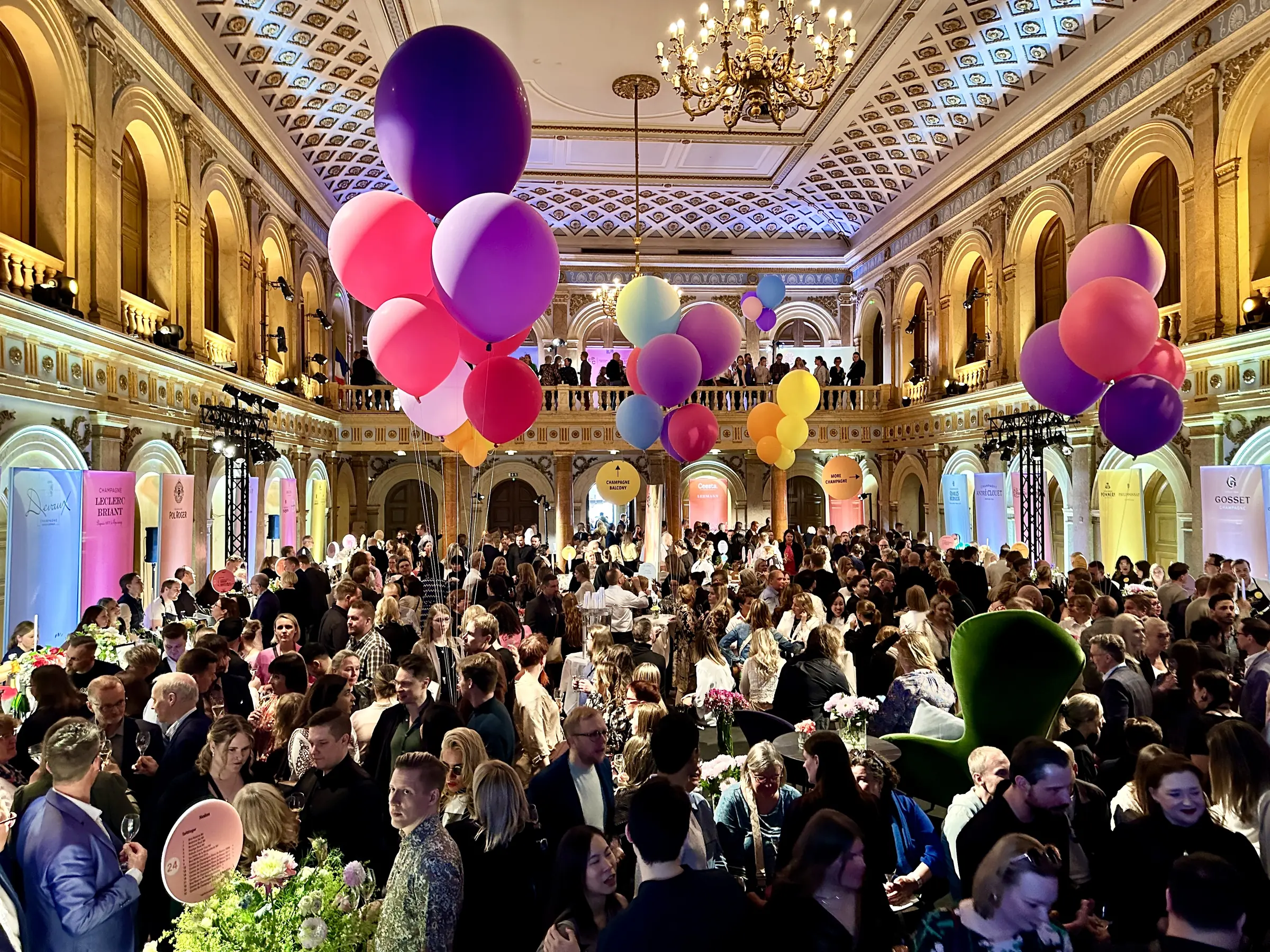 06
06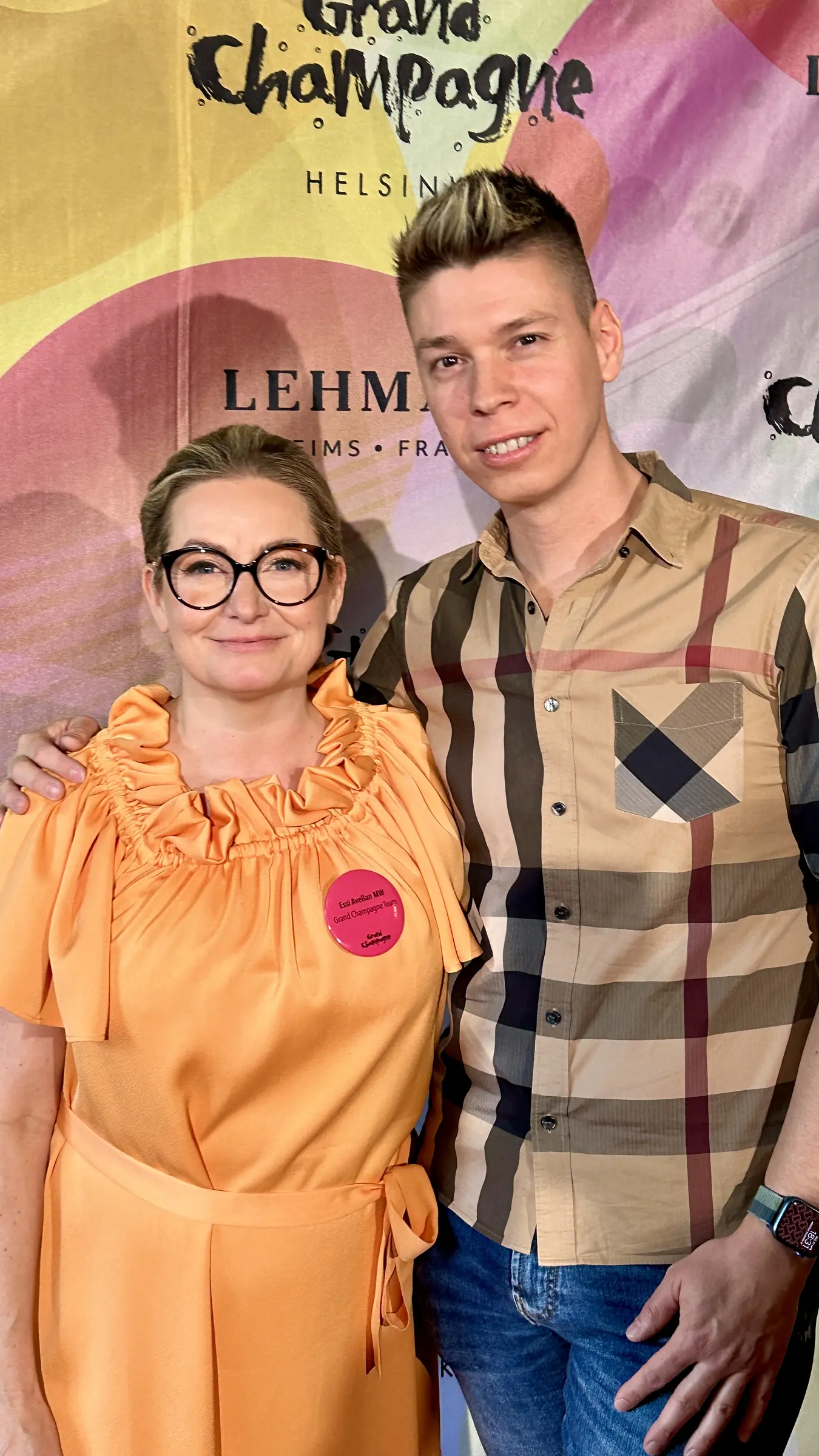 07
07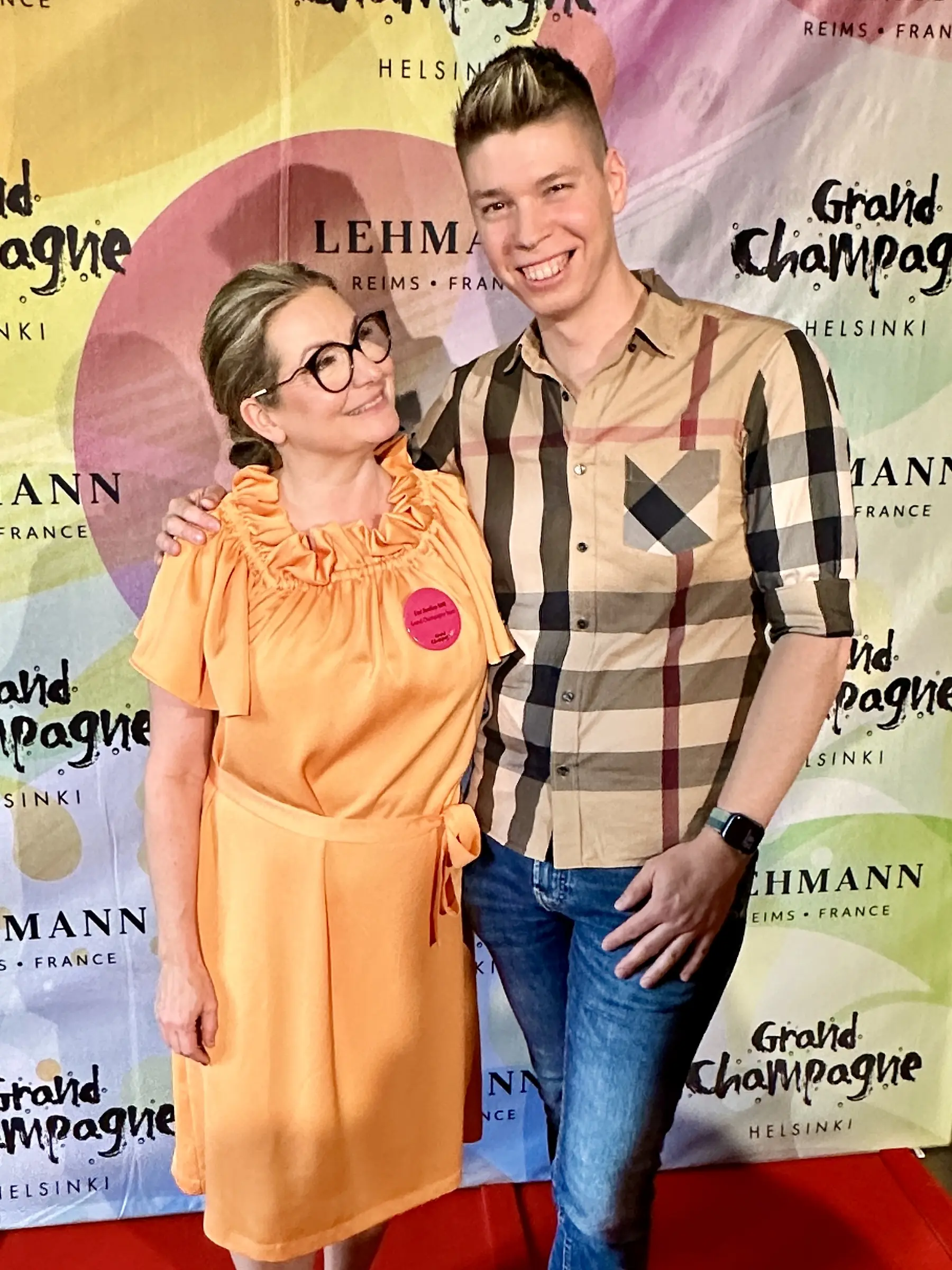 08
08Magnums and blanc de blancs
Palmer’s masterclass was particularly illuminating from a technical point of view, comparing vintage wines in standard and magnum bottles. More and more enthusiasts understand that a magnum has the same neck size — and therefore a similar amount of oxygen beneath the cork — as a standard bottle, but holds twice as much wine. It consequently matures more slowly, develops distinctive nuances and retains freshness for longer. Tasting the theory in practice was fascinating, especially with Palmer’s Grands Terroirs vintage Champagnes, already wines of the highest order. Alongside the current 2015, we compared two exceptional vintages, 1996 and 1985, in both formats. These were Collection Vintage releases, disgorged only in recent years after spending the intervening decades in the house cellars. The standard bottles from 1996 and 1985 showed extraordinary richness, but the theory clearly held true: in every case the magnums conveyed markedly greater freshness and better protection from oxidation while achieving wonderful complexity and depth.
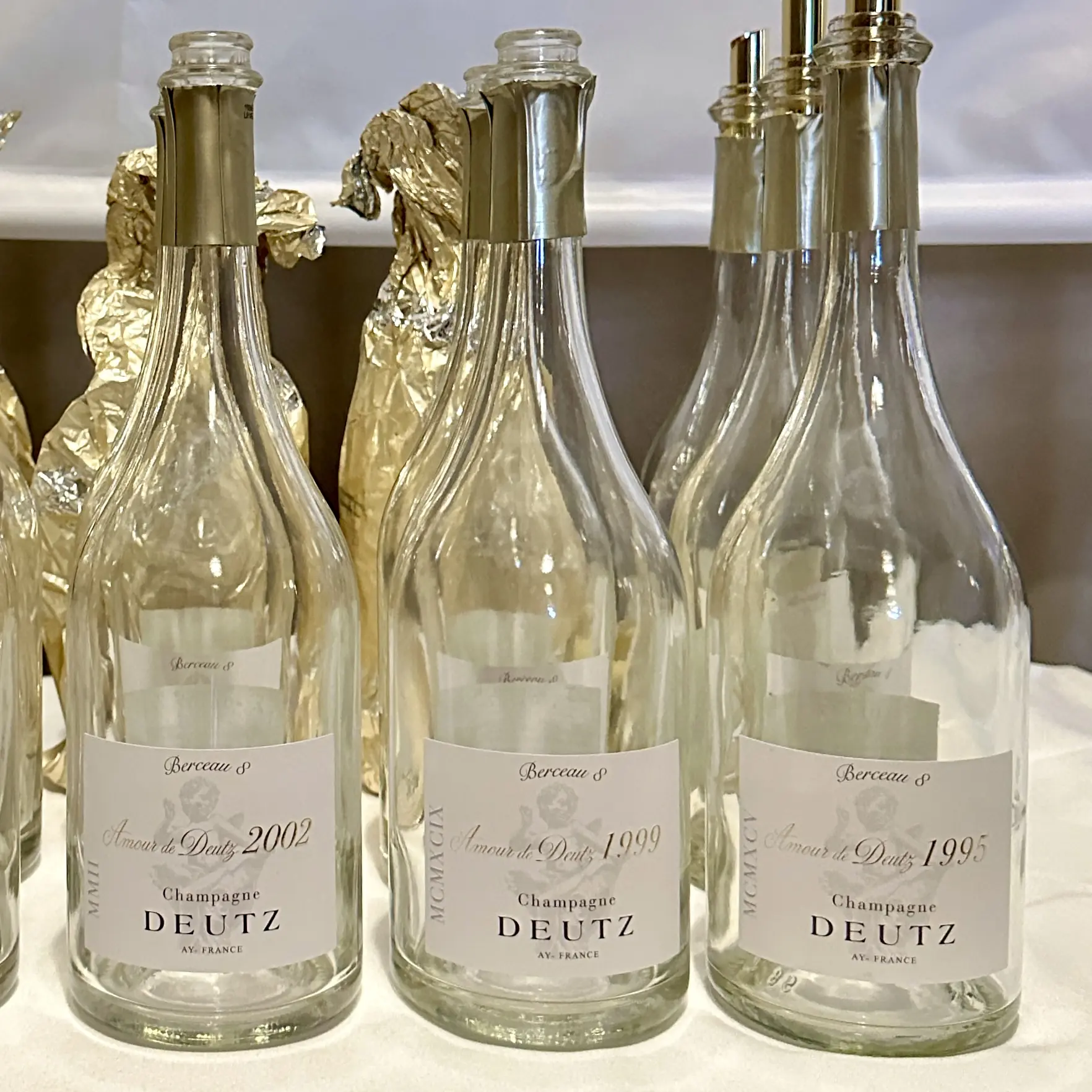
One further masterclass deserves mention: Deutz, presented by cellar master Caroline Latrive. In August 2022 she succeeded her distinguished, long-serving predecessor Michel Davesne. Before that, she spent fifteen years as cellar master at another Aÿ house with a strong Chardonnay focus, Ayala, bringing with her a deep knowledge and appreciation of the variety. Under her guidance it was a privilege to taste five vintages of the house’s prestige blanc de blancs cuvée, Amour de Deutz. Alongside the classical, cool 2013, we explored the much warmer 2006 and iconic vintages including 2002 and 1999, as well as the 1995, which was in spectacular form, full of freshness and elegance.
Grand Champagne Helsinki is therefore more than an event: it is a movement that helps to spread both passion for and knowledge of Champagne. The world imagined by Taru and Essi offers a platform where visitors can immerse themselves in Champagne and genuinely understand its complexity and beauty. Through annual masterclasses, talks and tastings, Grand Champagne Helsinki has raised the local Champagne culture to a new level and made Finland one of the centres of the international Champagne community. Its success shows how widely enthusiasm for Champagne — and its power to connect people — can resonate, and how important a role the event plays in sustaining that momentum.